Modern Corporate Lifestyle Destinations USA: The Definitive Guide
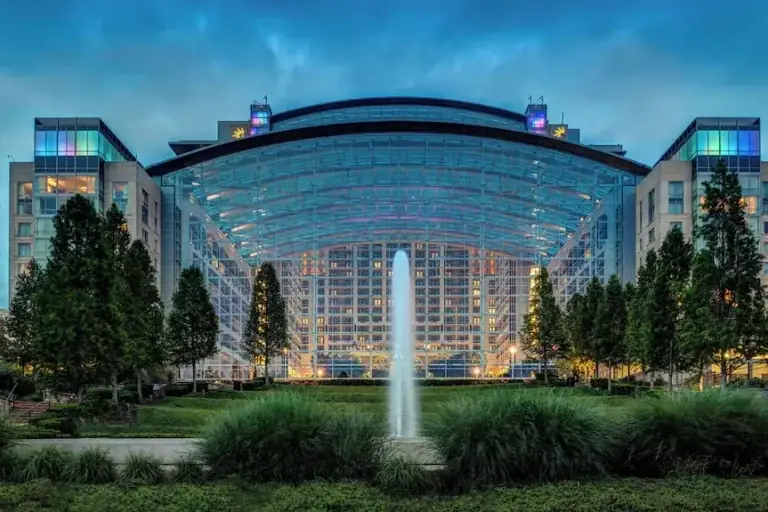
The architectural and cultural convergence of professional labor, regional development, and hospitality design has fundamentally altered how enterprises allocate capital. Organizations no longer view professional gatherings as isolated logistical exercises held in sterile corporate enclosures. Instead, they treat the physical environment as a critical variable in executive retention, collaborative problem-solving, and cross-functional alignment. Consequently, this shift has elevated a specialized class of properties that merge high-capacity business infrastructure with immersive residential lodging, wellness programming, and outdoor integration.
However, orchestrating complex corporate events within these multi-use assets introduces deep operational friction. Meeting planners must reconcile the uncompromising demands of redundant digital infrastructure and multimedia broadcasting with the organic rhythms of wellness-focused resort environments. Furthermore, they must navigate intricate municipal zoning constraints, seasonal rate volatility, and the delicate balance between focused strategic labor and unstructured restorative recreation. Analyzing this domain requires moving past promotional marketing to examine the structural mechanics, historical evolution, analytical frameworks, and operational realities governing these dynamic environments.
Understanding “modern corporate lifestyle destinations usa”
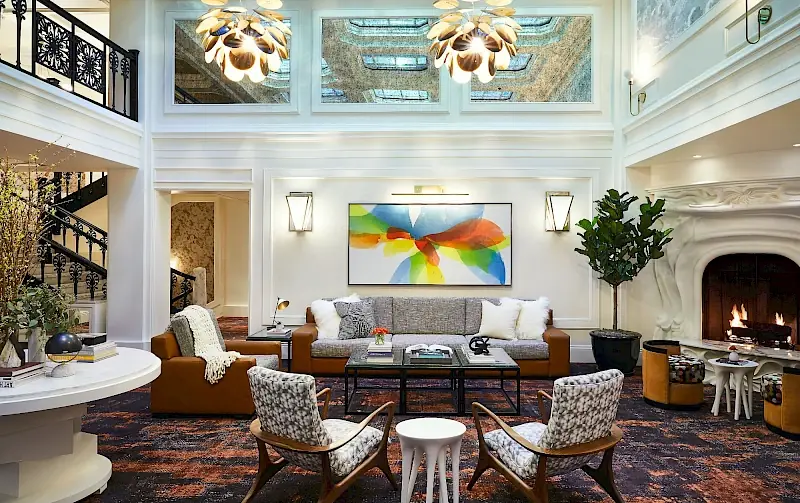
The designation of modern corporate lifestyle destinations usa encompasses premier hospitality and mixed-use assets across the country. These properties seamlessly integrate advanced business meeting facilities with residential-style lodging, wellness programming, culinary distinction, and outdoor recreational access. Unlike traditional downtown business hotels or isolated rural resorts, these properties derive their core economic utility from offering a frictionless continuum between intensive strategic work and holistic lifestyle enhancement. Therefore, they cater directly to organizations that prioritize employee engagement and creative collaboration.
Common misunderstandings of this asset class often center on the assumption that lifestyle amenities are merely superficial perks. Stakeholders frequently equate aesthetic appeal with operational capability. As a result, they ignore critical infrastructure requirements, such as secure high-bandwidth networks, acoustic isolation in breakout spaces, and high-capacity back-of-house logistics. For instance, a secluded desert wellness retreat might feature breathtaking architectural design. Yet, it may fail to support the redundant power supplies required for a major live-streamed product launch.
Oversimplification risks are equally prevalent when evaluating financial models. These destinations often rely on complex capitalization structures combining real estate investment trusts, private equity, and residential fractional ownership models. Treating these integrated ecosystems as traditional hotels obscures the multi-year contractual dependencies, strict zoning restrictions, and community relations that govern their financial viability.
Deep Contextual Background
The evolution of lifestyle-oriented corporate environments in the United States reflects centuries of transformation in labor management, corporate culture, and real estate development. During the mid-twentieth century, corporate retreats were largely confined to austere conference centers or private country clubs. These early properties treated professional gatherings as isolated episodes, separating work entirely from personal well-being.
As the corporate landscape shifted toward knowledge-based industries in the late twentieth century, companies recognized the profound impact of physical environment on creative problem-solving. Tech pioneers and forward-thinking enterprises abandoned rigid corporate headquarters. Instead, they favored campus-style settings that encouraged informal collaboration and physical wellness. This cultural shift catalyzed the development of commercial properties designed from the ground up to support both rigorous professional output and restorative personal lifestyles.
The early twenty-first century marked a second major paradigm shift driven by remote-work flexibility and an increasing emphasis on mental health. Real estate developers responded by constructing master-planned corporate lifestyle hubs. These hubs combine co-working spaces, boutique hotels, wellness centers, and residential communities. Furthermore, these modern developments leverage advanced environmental engineering and digital connectivity to provide flexible spaces that adapt instantly to changing corporate agendas.
Conceptual Frameworks and Mental Models
Evaluating premier lifestyle-oriented business assets requires structured analytical frameworks that extend well beyond standard square footage and room count metrics.
The Work-Wellness Equilibrium Index
This framework maps a property’s ratio of high-intensity conference infrastructure to restorative wellness square footage. Specifically, it evaluates whether the environment supports sustained cognitive focus without inducing burnout.
The Spatial-Acoustic Insulation Matrix
This model measures the physical separation and sound mitigation between high-energy social zones—such as rooftop lounges and outdoor dining terraces—and secure, confidential executive meeting rooms.
The Digital-Physical Throughput Model
This framework assesses the integration of high-speed fiber-optic data networks, redundant power grids, and physical staging areas. Consequently, it ensures complex hybrid corporate events execute smoothly.
The Local Cultural Integration Quotient
This metric quantifies how effectively a property connects visiting corporate groups to the surrounding regional economy, culinary traditions, and outdoor landscape.
Key Categories or Variations
The landscape of premier lifestyle-oriented business properties encompasses several distinct operational archetypes, each presenting unique structural trade-offs for corporate meeting planners.
Master-Planned Urban Innovation Districts
These are mixed-use metropolitan developments combining high-rise corporate offices, boutique lifestyle hotels, public plazas, and residential living. They offer unmatched urban energy and dining variety, offset by high operating costs and complex crowd management.
Mountain and Alpine Wellness Retreats
These properties are situated in high-altitude recreational regions, pairing state-of-the-art conference facilities with outdoor adventure and holistic health programming. They excel at deep team bonding. However, seasonal weather variability can disrupt travel logistics.
Coastal Eco-Luxury Campuses
These are low-density properties positioned along scenic coastlines, integrating sustainable building practices with open-air meeting pavilions and marine exploration. They provide an inspiring backdrop for executive retreats, alongside strict environmental protection limits.
Wine Country and Agricultural Estates
These properties are embedded within premier agricultural and viticultural regions, featuring farm-to-table culinary programs, rustic-chic meeting spaces, and outdoor tasting areas. They deliver exceptional hospitality, though their rural locations can limit massive convention capacities.
Desert Oasis and Spa Sanctuaries
These are expansive resort properties located in arid environments that leverage extensive spa facilities, golf courses, and open-air courtyards. They offer complete privacy and controlled environments, offset by significant climate control and water management demands.
Historic Industrial Conversions
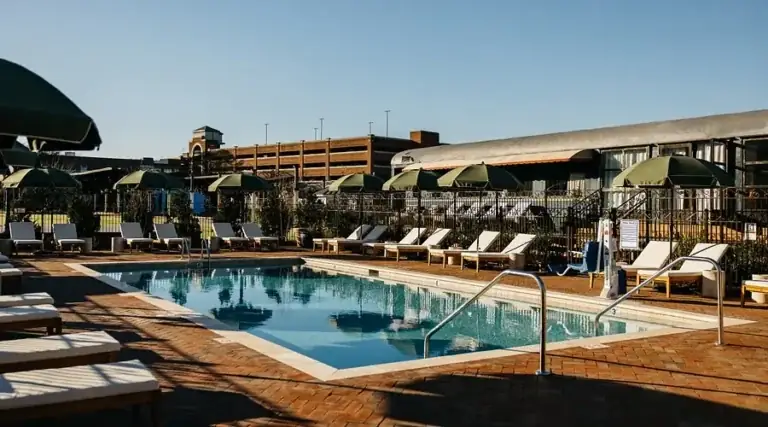
These are adaptive reuse projects transforming legacy factories or mills into creative corporate hubs featuring exposed brick, modern co-working spaces, and boutique hospitality. They provide unmatched architectural character, alongside rigid structural layouts and historic preservation constraints.
Destination Category Comparison Matrix
| Destination Category | Typical Scale & Inventory | Core Operational Advantage | Primary Constraint |
| Urban Innovation Districts | 300 to 1,000+ rooms | High-density amenities and transit | High operating costs and noise |
| Alpine Wellness Retreats | 150 to 400 rooms | Deep focus and outdoor adventure | Seasonal weather disruptions |
| Coastal Eco-Campuses | 100 to 300 rooms | Inspiring views and sustainability | Strict environmental codes |
| Wine Country Estates | 50 to 250 rooms | Culinary excellence and privacy | Limited large-scale capacity |
| Desert Spa Sanctuaries | 200 to 600 rooms | Complete privacy and controlled space | High climate control demands |
| Historic Conversions | 100 to 400 rooms | Exceptional architectural character | Rigid structural floor plans |
Realistic Decision Logic
Selecting the appropriate lifestyle destination requires aligning organizational objectives with structural capabilities. Specifically, if an enterprise hosts a high-stakes product development summit requiring rapid prototyping facilities and multi-gigabit fiber networks, rustic agricultural estates must be disqualified in favor of master-planned urban innovation districts. Conversely, for an intimate executive board retreat focused on long-term strategic pivoting, sprawling urban convention hubs create counterproductive sensory overload. Planners must evaluate properties using a strict exclusion matrix—testing acoustic privacy ratings, redundant power availability, and local zoning restrictions—before reviewing promotional marketing materials.
Detailed Real-World Scenarios
The Global Technology Strategy Summit at an Urban Innovation District
A multinational software corporation contracted a newly developed lifestyle hotel within a master-planned urban innovation district for a three-day executive summit featuring 800 engineering leaders. During the second afternoon, a local power grid fluctuation threatened to crash the primary data center supporting the live-streamed keynote broadcast. The property’s facilities team instantly switched to an independent onsite microgrid and auxiliary battery array. Consequently, they maintained broadcast continuity without a single dropped packet, preserving executive confidence.
The Pharmaceutical Leadership Retreat at an Alpine Wellness Resort
A major pharmaceutical firm convened fifty senior research executives at a secluded alpine resort featuring tiered outdoor amphitheaters and holistic wellness programming. An unseasonal late-spring blizzard dropped three feet of snow overnight, trapping incoming executive arrivals at regional transit hubs. This threatened to cancel the opening plenary session. The resort’s logistics coordinators deployed tracked transport vehicles to clear access passes while simultaneously reconfiguring indoor breakout rooms into high-definition virtual broadcast studios, ensuring full attendance participation.
The Financial Executive Forum at a Wine Country Estate
A premier investment banking association brought eighty managing directors together for an intensive regulatory policy retreat at a historic wine country estate. A sudden localized brushfire warning prompted county emergency services to issue a temporary evacuation advisory for the surrounding valley. The estate’s risk management team immediately activated its pre-arranged regional relocation protocol. Within ninety minutes, they safely transferred delegates to a partner urban property via private transit while preserving all confidential documents and secure communication channels.
The Aerospace Innovation Symposium at a Desert Spa Sanctuary
An aerospace defense contractor association hosted 300 engineering executives at an expansive desert spa sanctuary featuring open-air courtyards and integrated wellness tracks. The event required the secure display of classified hardware prototypes. During setup, high-velocity desert wind gusts threatened to damage outdoor display canopies. The property’s operations crew rapidly secured the temporary structures using rated subterranean anchoring systems, completing setup on schedule and preventing costly equipment damage.
Planning, Cost, and Resource Dynamics
The financial architecture of contracting premier lifestyle-oriented business assets involves complex direct and indirect variables. Direct expenses encompass peak-season room rates, mandatory wellness resort fees, and specialized audio-visual rigging charges required for innovative architectural spaces. However, indirect financial impacts—such as master account attrition penalties, exclusive culinary buyouts, and customized wellness programming fees—frequently dictate the true financial outcome of the event contract.
Opportunity costs manifest clearly in spatial efficiency and attendee cognitive stamina. Properties featuring seamless indoor-outdoor integrations maximize delegate focus and collaborative output. Yet, the premium pricing associated with tier-one lifestyle destinations demands rigorous budget justification. Therefore, organizations must balance high daily rates against the profound gains in executive retention and strategic clarity.
| Expense Category | Typical Variance Range | Primary Cost Drivers | Mitigation Strategy |
| Group Room Block Rates | $400 to $1,000+ per night | Lifestyle compression; peak season | Negotiate multi-year multi-show rate caps |
| Innovative Space Rental | Waived to $50,000+ daily | Architectural uniqueness; AV tech | Structure sliding-scale space rental thresholds |
| Custom Wellness & F&B | High to Extreme | Farm-to-table sourcing; spa staffing | Fix per-person catering caps in advance |
| Dedicated Tech Provisioning | Moderate to High | High-speed fiber; redundant power | Conduct thorough pre-contract bandwidth audits |
Tools, Strategies, and Support Systems
Managing large-scale corporate retreats and complex meeting spaces within premier lifestyle destinations requires advanced digital tooling and rigorous operational frameworks.
-
Cloud-Based Spatial and Resource Portals: Utilizing centralized inventory systems that interface directly with property management databases to track breakout room allocations, wellness appointments, and real-time attrition rates without lag.
-
Real-Time Environmental Monitoring Integration: Deploying specialized IoT telemetry software linked to local meteorological stations and indoor air quality sensors to provide automated adjustments regarding thermal comfort and lighting levels.
-
Encrypted Mobile Communication Grids: Establishing dedicated multi-channel communication networks linking corporate event planners, property concierges, and IT security teams instantly.
-
Automated Folio Auditing Software: Employing specialized financial reconciliation tools to cross-reference daily master account charges against wellness fees, resort assessments, and catering minimums.
-
Destination Partner Networks: Engaging local tourism bureaus and regional transport providers early in the contracting phase to secure specialized security perimeters and private transit fleets.
-
Acoustic and Spatial Telemetry Arrays: Tracking room utilization and ambient noise levels across open-plan collaborative zones to optimize scheduling and minimize audio interference.
Risk Landscape and Failure Modes
Operating within high-end lifestyle destinations exposes organizations to compounding operational risk cascades. The primary vulnerability lies in environmental and infrastructural interdependency. When an event relies on a remote eco-resort or alpine sanctuary, any severe weather event—such as a flash flood, heavy snowfall, or wildfire threat—creates massive logistical bottlenecks that paralyze delegate transit and compromise site security. If local access roads are cut off, entire corporate programs can be halted, damaging organizational continuity.
Another critical risk category involves digital infrastructure saturation and privacy vulnerabilities. Modern lifestyle properties often feature expansive open-plan glass architecture and shared public co-working spaces. Without rigorous electronic countermeasures and dedicated secure network slicing, sensitive corporate intellectual property can be exposed to unintended interception or ambient acoustic leakage. Furthermore, balancing relaxed wellness schedules with rigid corporate agendas can lead to chronic time management failures among attending executives.
Governance, Maintenance, and Long-Term Adaptation
Maintaining long-term operational alignment between corporate organizers and premier lifestyle properties requires structured governance cadences extending far past initial contract execution. Multi-year corporate gathering programs utilizing these assets must establish formal review cycles, beginning with comprehensive strategic audits twelve months out and transitioning into weekly operational synchronization meetings thirty days prior to event launch.
-
Adjustment Triggers: Define explicit numerical thresholds—such as a 15% variance in room block pickup velocity or regional weather advisory warnings—that automatically mandate emergency layout adjustments or itinerary shifts.
-
Post-Event Forensic Debriefs: Conduct formal review sessions with property general managers, directors of guest experience, and technology leads within fourteen days of event closure to document billing accuracy and service execution.
-
Layered Compliance Checklists: Maintain living documentation tracking municipal zoning codes, environmental sustainability certifications, and data privacy standards across all utilized meeting and residential spaces.
Measurement, Tracking, and Evaluation
Assessing the true efficacy of hosting corporate retreats within premier lifestyle destinations requires balancing traditional quantitative financial metrics with nuanced qualitative feedback loops. Relying exclusively on immediate post-event survey scores hides critical operational friction points that impact long-term program participation.
-
Leading Indicators: Monitor early room block pickup curves, executive invitation acceptance rates, and advance collaborative platform engagement. These metrics indicate whether the destination’s lifestyle brand pull successfully drives early organizational commitment.
-
Lagging Indicators: Analyze final master account variance, post-event productivity output reports, and net promoter scores evaluating property cleanliness and staff responsiveness.
-
Qualitative Signals: Evaluate attendee cognitive stamina, stress level assessments, and qualitative commentary concerning culinary diversity, wellness integration, and public space acoustic comfort.
Common Misconceptions and Oversimplifications
-
Myth: Lifestyle destinations operate with the same predictable infrastructure as standard business hotels.
-
Correction: Premier lifestyle properties often prioritize aesthetic openness and natural integration over rigid commercial compartmentalization, requiring custom technical overlays.
-
-
Myth: Integrating wellness programming automatically enhances corporate meeting productivity without structure.
-
Correction: Strategic wellness integration must be carefully scheduled to support cognitive endurance rather than disrupting core collaborative agendas.
-
-
Myth: Remote natural settings eliminate the need for robust digital infrastructure redundancy.
-
Correction: High-end corporate groups demand enterprise-grade multi-gigabit connectivity regardless of geographic isolation.
-
-
Myth: Standard room block attrition clauses are unchangeable administrative boilerplate.
-
Correction: Attrition terms in high-demand lifestyle properties are highly negotiable based on historical spend volume and overall regional compression dynamics.
-
-
Myth: Open-air architecture is universally suitable for all types of corporate presentations.
-
Correction: Outdoor environments introduce uncontrollable acoustic and lighting challenges that can severely disrupt technical keynotes.
-
Ethical, Practical, or Contextual Considerations
Hosting corporate groups within premier lifestyle destinations carries profound responsibilities regarding environmental stewardship, community impact, and labor equity. Massive retreat properties consume substantial energy, generate significant waste streams, and impact delicate local ecosystems. Planners committed to corporate sustainability should prioritize properties featuring LEED certifications, comprehensive organic waste diversion programs, and active partnerships with regional conservation initiatives.
Furthermore, luxury lifestyle developments frequently impact local housing affordability, municipal infrastructure, and indigenous land rights. Planners should evaluate property labor and environmental practices, ensuring fair compensation, safe working conditions, and respect for local community boundaries. Engaging regional minority-owned businesses and diverse suppliers ensures that corporate expenditures support the host region while fostering inclusive economic growth.
Conclusion
Maximizing the strategic value of modern corporate lifestyle destinations requires intellectual rigor, meticulous risk assessment, and a clear-eyed rejection of superficial marketing claims. While these properties offer unmatched inspiration, architectural prestige, and holistic wellness integration, they demand disciplined operational oversight to offset their inherent structural and logistical frictions. Organizers who master the complex interplay between professional engineering, environmental stewardship, and hospitality excellence convert these flagship assets into powerful engines of long-term organizational alignment and enterprise growth.