American Urban Convention Destinations USA: The Definitive Guide
The modern metropolitan meeting ecosystem represents a complex intersection. Municipal real estate development, hospitality economics, and infrastructural engineering collide here. Major gatherings hosted within dense metropolitan centers rely heavily on an intricate web. Civic coordination, transportation networks, and large-scale exhibition facilities absorb tens of thousands of corporate delegates simultaneously. Instead of functioning merely as large exhibition halls, these metropolitan nodes operate as vital economic engines. They shape downtown commercial districts, drive regional tourism revenues, and dictate corporate networking paradigms.
At the same time, coordinating multi-day corporate assemblies within high-density municipal cores introduces severe operational friction. Properties and municipal facilities must manage competing demands for public transit, localized traffic containment, security protocols, and high-volume utility distribution. Therefore, planners navigating this space face a challenging balancing act. They must secure expansive, column-free exhibition floorplates while maintaining intimate, walkable access to surrounding hotel blocks, dining infrastructure, and entertainment districts.
Understanding this specialized sector requires moving past promotional tourism boards. Analysts must examine the structural mechanics, historical evolution, analytical frameworks, and operational realities governing large-scale metropolitan gathering spaces across the country.
Understanding “american urban convention destinations usa”
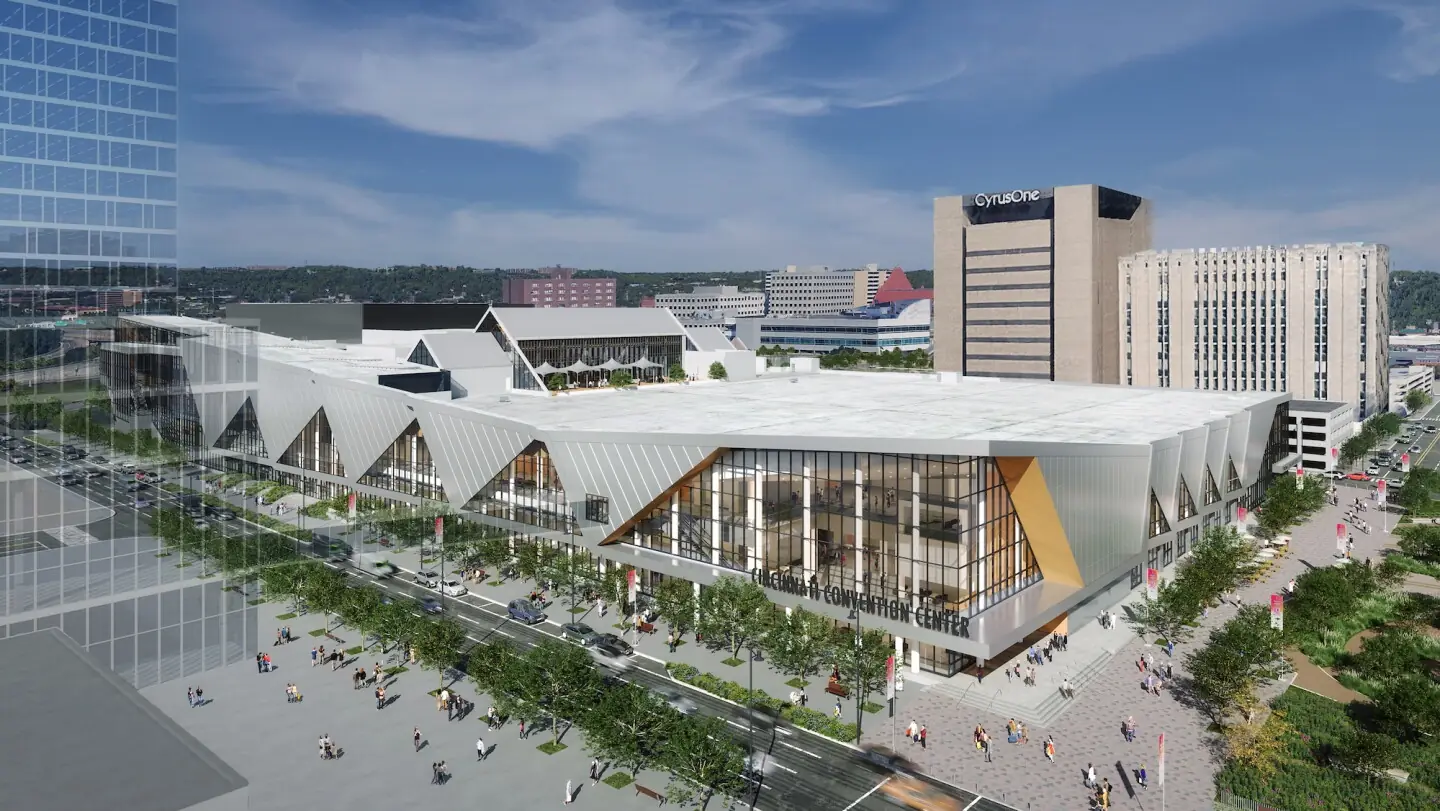
The phrase american urban convention destinations usa designates major metropolitan environments within the United States. These environments possess the dense physical infrastructure, multi-modal transit networks, and concentrated hotel inventories required to anchor multi-thousand-attendee trade shows, industry conventions, and corporate summits. Unlike isolated resort properties or suburban exhibition parks, these urban destinations derive their core utility from synergy with the surrounding city fabric. Specifically, they leverage municipal subway lines, international airports, dense restaurant clusters, and sprawling entertainment districts to support massive influxes of transient business travelers.
Common misunderstandings of this asset class often center on a single assumption: that sheer square footage guarantees event success. Consequently, stakeholders frequently equate a massive footprint with operational excellence. However, they ignore critical friction points introduced by urban congestion, labor union regulations, and aging municipal facilities. For instance, a historic downtown center might boast over one million square feet of exhibit space. Yet, it might suffer from constrained truck-loading docks, single-point freight elevators, or inflexible utility grids that complicate modern digital staging and heavy machinery deployment.
Furthermore, oversimplification risks are prevalent when evaluating the financial models supporting these urban districts. Municipal convention centers are intentionally structured as public-benefit assets. They typically operate at an annual financial deficit on direct operations. Instead, they recover their true value through induced regional economic activity, hotel occupancy taxes, and municipal sales growth. Consequently, treating these facilities as traditional profit-and-loss corporate entities obscures complex public-private partnerships, tourism development districts, and tax-increment financing structures.
Deep Contextual Background
The evolution of metropolitan meeting infrastructure in the United States reflects broader transformations in industrial production, municipal finance, and downtown revitalization strategies. During the early and mid-twentieth century, civic gathering spaces were primarily municipal auditoriums or localized exhibition halls. These early structures sat comfortably within compact downtown grids. Moreover, they relied on streetcar networks and traditional urban hotels to house visiting delegations.
As post-war industrial expansion accelerated, corporate marketing transitioned toward national trade associations and specialized B2B expositions. Consequently, cities recognized the massive economic multiplier effect generated by multi-day convention delegates. Mayors and urban planners began championing massive downtown renewal projects. They cleared entire city blocks to construct cavernous, windowless exhibition complexes intended to anchor urban cores. Ultimately, this era birthed the classic brutalist convention center archetype—massive concrete blocks designed to maximize contiguous floor space while turning their backs on the surrounding streetscape.
The late-1990s and early-2000s marked a second paradigm shift. This change was driven by the realization that convention attendees demanded walkability, authentic dining, and evening entertainment. Cities began redesigning their convention districts to integrate directly with mixed-use commercial developments, retail corridors, and waterfront promenades. Modern capital investments focus heavily on natural lighting, open-air concourses, high-density digital infrastructure, and adjacent headquarters hotels. These hotels physically connect sleeping rooms directly to the exhibition floor, thereby mitigating the friction of urban transit entirely.
Conceptual Frameworks and Mental Models
Evaluating large-scale metropolitan event markets requires structured analytical frameworks that extend well beyond standard venue capacity charts.
The Transit-Density Equilibrium Model
This framework maps a destination’s airport connectivity and mass-transit efficiency against its inner-city pedestrian walkability. High-performing urban cores minimize reliance on charter buses. Specifically, they place hotel blocks within a ten-minute walk of the primary exhibition facility or a high-frequency transit line.
The Headquarter Hotel Concentration Index
This index measures the physical dispersion of sleeping rooms relative to the convention center floor. The model demonstrates a clear trend: attendee satisfaction and session punctuality drop exponentially when blocks are fragmented across more than three major properties separated by heavy urban traffic corridors.
The Municipal Subsidy Multiplier
This model analyzes the economic trade-offs between public capital expenditure, ongoing operational deficits, and induced local tax revenues. It highlights how transient occupancy taxes fund convention center debt service while generating ancillary receipts for local small businesses.
The Rigging and Power Load Capacity Grid
This grid assesses a facility’s hard infrastructure resilience. It charts clear-span ceiling heights, floor-load weight tolerances, and distributed utility box access against the escalating power demands of modern multi-media trade shows.
Key Categories or Variations
The landscape of metropolitan event markets encompasses several distinct operational archetypes. Each archetype presents unique structural trade-offs for national event planners.
Tier-1 Megacity Convention Hubs
These are massive metropolitan cores featuring multiple million-square-foot exhibition facilities, tens of thousands of committable hotel rooms, and global airport access. While they offer unmatched scale and concurrent event capacity, they suffer from high labor costs, complex union rules, and severe urban congestion.
Sunbelt Entertainment-Integrated Metros
These rapidly expanding southern and western urban centers blend expansive convention floorplates with integrated entertainment districts, favorable weather patterns, and lower cost baselines. Although they excel at attendee retention, they can suffer from automobile-centric layouts that reduce pedestrian walkability.
Mid-Sized Regional Business Capitals
These compact urban environments feature accessible, single-level convention centers flanked by walkable downtown cores. They offer lower logistical friction and highly competitive pricing, though they lack the massive hotel blocks required for mega-expositions.
Waterfront and Port-Centric Urban Centers
These metropolitan convention districts are anchored to historic harbors or riverfronts. They combine scenic views with adjacent festival spaces, but they introduce unique environmental challenges related to humidity, salt-air equipment wear, and restricted perimeter expansion routes.
Historical Cultural Capitals
These are dense urban centers where convention infrastructure is interwoven with historic preservation districts, museums, and high-density academic institutions. They deliver exceptional destination appeal and cultural programming alongside stringent architectural and zoning constraints.
Capital and Government-Centric Metros
These urban nodes center around legislative, policy, and regulatory institutions. Such destinations attract highly specialized, policy-driven delegations, though security lockdowns and government schedule shifts can disrupt local transportation arteries.
Property Category Comparison Matrix
| Destination Category | Primary Infrastructure Asset | Core Operational Advantage | Primary Constraint |
| Tier-1 Megacity Hubs | Multi-million sq. ft. complexes | Massive scale and global air access | High union labor costs and traffic |
| Sunbelt Metros | Integrated entertainment districts | Favorable weather and newer builds | Automobile-dependent spatial layouts |
| Mid-Sized Capitals | Compact, walkable downtown cores | Low logistical friction and cost | Limited massive multi-hotel blocks |
| Waterfront Centers | Harbor-adjacent exhibition halls | Premium scenic views and spaces | Environmental and expansion limits |
| Historical Capitals | Culture-rich urban environments | Exceptional destination draw appeal | Strict municipal zoning codes |
| Government Hubs | Proximity to policy institutions | Specialized political delegation draw | Security perimeters and disruptions |
Realistic Decision Logic
Selecting among these destination categories requires aligning event demographics with structural capabilities. If an association hosts a massive industrial trade show requiring heavy machinery rigging, multi-ton floor loads, and tens of thousands of hotel rooms, regional business capitals must be immediately disqualified in favor of Tier-1 megacity hubs. Conversely, for a targeted executive leadership symposium prioritizing intensive networking and cultural immersion, sprawling megacity convention centers create counterproductive sensory overload and fractured attendee focus. Planners must filter destinations using a strict exclusion matrix—evaluating airport airlift capacity, hotel block density, and labor rules—before ever reviewing marketing brochures or promotional destination videos.
Detailed Real-World Scenarios
The Global Aerospace Exposition in a Tier-1 Megacity Hub
An international aerospace association contracts a multi-million-square-foot convention facility in a major northeastern metropolitan center. They showcase commercial aircraft engines, structural titanium components, and avionics systems for 25,000 global engineers. The move-in phase requires heavy hydraulic cranes to lift 15-ton machinery exhibits onto the second-floor exhibition deck.
During load-in, rigid local union jurisdiction rules restrict the event production crew from adjusting proprietary electrical distribution boxes. Consequently, this triggers a 14-hour labor standoff that delays booth construction. Simultaneously, local street closures for a concurrent municipal marathon bottleneck truck access to the facility loading docks.
To resolve the crisis, the senior event director negotiates an emergency overtime shift with the local union steward. Furthermore, they deploy a dedicated liaison to coordinate police escort lanes for delayed freight trucks and re-sequence technical setup milestones into parallel tracks. Ultimately, the exposition opens on schedule, though total production costs run 28% over budget due to emergency labor premiums. This provides a critical data point for future multi-year contract negotiations.
The Annual Medical Innovation Summit in a Sunbelt Entertainment-Integrated Metro
A prominent medical technology society hosts 12,000 clinical researchers and corporate executives at a sprawling convention center in a sunbelt metropolitan hub. The four-day program features 80 concurrent breakout sessions, an extensive digital health pavilion, and evening outdoor networking receptions along an adjacent entertainment promenade.
Unfortunately, an unseasonal torrential downpour floods the outdoor pedestrian corridors connecting the headquarters hotel to the convention center. This strands thousands of delegates during the morning keynote transition window.
The onsite operations team activates its inclement weather protocol immediately. They deploy covered transit golf carts across elevated walkways, open emergency auxiliary internal concourses, and dynamically shift morning session start times via the event mobile application. This rapid pivot prevents severe schedule compression. Moreover, the destination’s warm climate and diverse restaurant infrastructure help sustain high sponsor satisfaction scores throughout the remainder of the week.
The Cybersecurity Policy Forum in a Government-Centric Capital Metro
A federal defense contractor alliance brings 3,000 cybersecurity specialists together for a high-security policy summit in a major government-centric urban core. The gathering requires strict credential verification checkpoints, secure encrypted Wi-Fi networks, and private VIP holding rooms for visiting congressional representatives.
Suddenly, an unexpected national security alert triggers a downtown perimeter lockdown. This halts all public subway lines running directly beneath the convention center and freezes perimeter vehicle traffic.
In response, the event management team immediately transitions to a secondary credential verification protocol. They shift afternoon breakout sessions to secure digital hybrid streams for stranded participants and coordinate with local hotel partners to extend check-out windows for affected attendees. The forum maintains continuity without compromising security standards. Consequently, this scenario illustrates the vital necessity of robust emergency response frameworks when operating within politically sensitive urban environments.
The Renewable Energy Conference in a Mid-Sized Regional Business Capital
A regional clean-tech association convenes 4,500 industry professionals within a compact downtown convention center flanked by walkable hotel districts and vibrant culinary scenes. The compact footprint allows attendees to walk from their sleeping rooms to the exhibition hall in under seven minutes. Thus, this layout eliminates the need for costly shuttle bus fleets.
However, unexpected local hotel room compression is driven by a concurrent regional sports tournament. This threatens to price out mid-tier attendees, forcing a portion of the delegation into distant suburban motels.
To counteract this, the event planning committee activates its master housing contract pre-block protections, compelling partner hotels to release protected inventory back to the official conference block. This intervention successfully recaptures 300 stray rooms. As a result, it preserves the integrity of the unified delegate base and reinforces the value of strict contractual enforcement in mid-sized urban markets.
Planning, Cost, and Resource Dynamics
The financial architecture of hosting conventions within major metropolitan centers differs fundamentally from suburban or resort alternatives. Direct expenses typically feature high baseline facility rental rates and mandatory service fees driven by municipal operating costs and local prevailing wage structures. However, indirect costs represent the true financial variable: mandatory drayage fees, exclusive in-house utility connections, rigging labor minimums, and steep urban parking tariffs can inflate the master event budget by 40% or more beyond initial space-rental estimates.
Opportunity costs manifest clearly in attendee time allocation and corporate travel efficiency. Metropolitan destinations served by major international airports minimize multi-leg transit friction, allowing delegates to maximize productive networking and session attendance. Yet, the high cost of living and dynamic hotel pricing in prime urban cores can constrain institutional travel budgets, forcing organizations to carefully weigh attendance return on investment against destination prestige.
| Expense Category | Typical Variance Range | Primary Cost Drivers | Mitigation Strategy |
| Facility Space Rental | $10,000 to $100,000+ daily | Peak seasonal demand; square footage volume | Negotiate multi-year multi-show rate locks |
| Union Labor & Rigging | 20% to 50% of production budget | Strict jurisdictional rules; overtime structures | Pre-audit labor guidelines; optimize load-in windows |
| Housing & Block Rates | $180 to $450+ per night | Urban compression; convention calendar overlap | Implement strict attrition and release clauses |
| Exhibition Utilities & AV | High to Extreme | Exclusive in-house provider monopolies | Conduct thorough pre-RFP utility cost profiling |
Tools, Strategies, and Support Systems
Managing complex event infrastructure within dense metropolitan centers requires specialized digital tooling and operational frameworks to prevent administrative breakdown.
Advanced Crowd-Flow Simulation Software
Planners utilize spatial modeling tools to predict pedestrian bottlenecks across multi-level convention concourses, escalator banks, and skybridge connections during peak morning transit rushes.
Centralized Housing Management Portals
Teams implement cloud-based sub-block management systems capable of tracking multi-hotel inventory, VIP allocations, and dynamic waitlists in real time without lagging behind hotel property management databases.
Encrypted Multi-Channel Communication Grids
Organizations deploy dedicated digital radio networks and mobile command applications to maintain instant synchronization between convention center operations, security teams, and catering leads.
Automated Master Folio Reconciliation Engines
Staff employ specialized financial auditing software to cross-reference daily billing charges against contracted concessions, tax exemptions, and service fee caps.
Local Destination Marketing Organization Partnerships
Planners engage municipal convention bureaus early in the planning lifecycle to secure citywide transit support, police detail coordination, and promotional wayfinding signage.
Environmental Sensor Arrays
Teams track indoor air quality, thermal loads, and Wi-Fi connection densities across massive exhibition halls to adjust HVAC distribution dynamically before attendee comfort degrades.
Risk Landscape and Failure Modes
Operating within high-density metropolitan event markets exposes organizations to compounding risk cascades. The primary vulnerability lies in structural and logistical interdependency. When an event relies on a complex web of downtown hotels, municipal subway links, and union-managed loading docks, a disruption in a single link—such as a transit strike or a major downtown traffic accident—creates cascading delays that paralyze the entire operational schedule. If freight trucks miss their tightly scheduled loading dock window due to urban gridlock, the entire exhibit hall build stalls, threatening opening-day compliance.
Another critical risk category involves labor disputes and jurisdictional friction. Major urban convention centers operate under rigid collective bargaining agreements governing electrical work, audio-visual rigging, and material handling. Unanticipated labor shortages or strict jurisdictional demarcations can prevent event staff from executing simple setup tasks. Consequently, this results in exorbitant overtime charges or forced work stoppages that jeopardize the professional integrity of the gathering.
Governance, Maintenance, and Long-Term Adaptation
Maintaining operational alignment between corporate organizers and metropolitan convention districts requires structured governance cadences extending far past initial contract execution. Long-term corporate event programs utilizing these destinations must establish formal review cycles, beginning with comprehensive multi-year strategic audits twelve months out. Afterward, they transition into weekly operational synchronization meetings thirty days prior to event launch.
Adjustment Triggers
Planners define explicit numerical thresholds—such as a 20% variance in room block pickup velocity or sudden municipal construction projects altering transit access. Once triggered, these thresholds automatically mandate emergency layout adjustments or transport rerouting.
Post-Event Forensic Debriefs
Teams conduct formal review sessions with destination marketing executives, convention center general managers, and chief union stewards within fourteen days of event closure. This documents logistical friction, billing accuracy, and service quality.
Layered Compliance Checklists
Staff maintain living documentation tracking municipal fire codes, ADA accessibility standards, and urban sustainability metrics across all utilized indoor and outdoor venues.
Measurement, Tracking, and Evaluation
Assessing the true efficacy of hosting major events within metropolitan destinations requires balancing traditional quantitative financial metrics with nuanced qualitative feedback loops. Relying exclusively on high-level registration counts hides critical operational friction points that impact long-term program participation.
Leading Indicators
Teams monitor early registration velocity, housing block pickup curves, and advance networking platform engagement. These metrics indicate whether the urban destination’s brand pull successfully drives early organizational commitment.
Lagging Indicators
Analysts evaluate final master account variance, post-event survey data segmented by breakout room location, and net promoter scores evaluating urban accessibility and destination safety.
Qualitative Signals
Organizers assess attendee cognitive stamina, spatial fatigue reports, and qualitative commentary concerning hotel comfort, culinary options, and local transit reliability.
Documentation Reference Examples
Master Concession Tracking Ledger
This is a living spreadsheet cross-referencing all negotiated rental rebates, complimentary meeting rooms, and bandwidth discounts against actualized folio charges.
Spatial Utilization Audit
This post-event heat map tracks room occupancy percentages across parallel tracks to identify urban venue dead zones or oversized breakout space allocations.
Vendor Performance Scorecard
This objective grading rubric evaluates drayage contractors, union audio-visual technicians, and security details on responsiveness, execution speed, and conflict resolution.
Common Misconceptions and Oversimplifications
-
Myth: Urban convention centers operate like standard private commercial real estate.
-
Correction: Municipal convention hubs are structured public-benefit assets designed to run operational deficits, recovering investments through regional economic multipliers and local tax generation.
-
-
Myth: Massive square footage eliminates the need for strict session capacity planning.
-
Correction: Sprawling urban footprints often generate severe transit fatigue, requiring carefully engineered buffer times and digital wayfinding to prevent widespread session tardiness.
-
-
Myth: Downtown walkability guarantees that transportation logistics will be frictionless.
-
Correction: High pedestrian density, street festivals, and municipal construction projects can turn walkable urban cores into complex navigation hurdles for large delegations.
-
-
Myth: Union labor rules are inflexible obstacles with no strategic workarounds.
-
Correction: Understanding jurisdictional lines and partnering closely with local union stewards during early planning phases enables smooth, compliant event execution.
-
-
Myth: Tier-1 cities automatically suit every corporate gathering size and objective.
-
Correction: Smaller, highly specialized leadership forums often suffer in massive urban hubs due to sensory overload and fractured attendee focus.
-
Ethical, Practical, or Contextual Considerations
Hosting tens of thousands of corporate delegates within dense urban environments carries profound responsibilities regarding environmental sustainability, community impact, and labor equity. Massive convention centers consume substantial energy and generate significant waste streams through disposable exhibition materials and food packaging. Therefore, planners committed to corporate sustainability should prioritize facilities featuring LEED certifications, comprehensive composting programs, and robust food rescue partnerships that redirect surplus banquet meals to local community shelters.
Furthermore, major urban convention assets profoundly impact local housing markets, neighborhood equity, and municipal infrastructure. Consequently, planners should evaluate destination labor practices, ensuring fair compensation and safe working conditions for hospitality, housekeeping, and food service staff. Engaging local minority-owned businesses, diverse suppliers, and community-based organizations ensures that event expenditures support the broader host city while fostering inclusive economic growth.
Conclusion
Maximizing the strategic value of metropolitan event markets requires intellectual rigor, meticulous risk assessment, and a clear-eyed rejection of superficial tourism marketing. While these destinations offer unmatched scale, global airlift, and vibrant cultural ecosystems that elevate brand perception and drive networking value, they demand disciplined operational oversight to offset their inherent structural and logistical frictions. Organizers who master the complex interplay between municipal infrastructure, labor dynamics, and urban geography transform these massive convention hubs into powerful engines of long-term organizational alignment and professional growth.