Best Waterfront Convention Hotels United States: The Definitive Guide
The convergence of elite hospitality, maritime urban planning, and large-scale convention infrastructure defines one of the most complex sectors in modern real estate asset management. Properties positioned along major urban coastlines, riverfronts, and harbor basins must balance the immense structural demands of multi-thousand-person corporate assemblies with the refined service standards of luxury transient lodging. These waterfront hubs dictate regional economic activity, anchor major metropolitan tourism districts, and serve as vital command centers for international trade expositions and industry association galas.
Simultaneously, managing expansive corporate events within coastal and harbor-adjacent footprints introduces severe operational friction. Properties must navigate complex environmental mitigation codes, high-wind engineering constraints, marine corrosion factors, and high-volume utility distribution challenges. Planners steering major programs within these assets face an intricate balancing act between utilizing dramatic coastal views for executive engagement and managing the logistical realities of massive attendee flows across multi-level properties.
Understanding this specialized segment requires moving past promotional tourism marketing to examine the structural mechanics, historical evolution, analytical frameworks, and operational realities governing premier maritime assembly venues nationwide.
Understanding “best waterfront convention hotels united states”
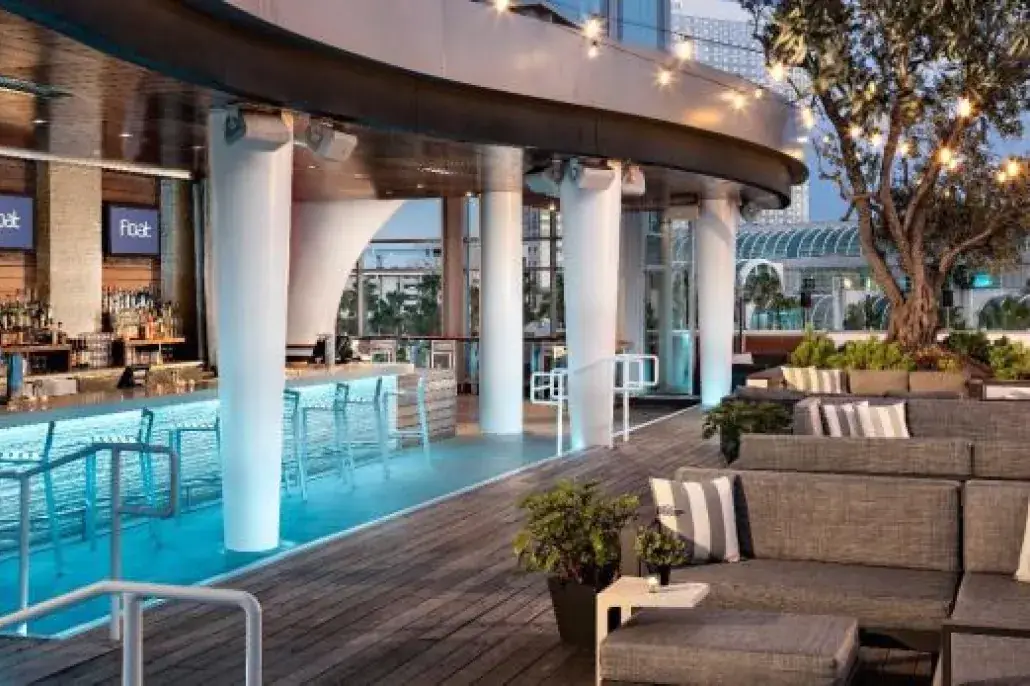
The phrase best waterfront convention hotels united states designates top-tier metropolitan hospitality assets that combine expansive sleeping room inventories and dedicated convention footprints with direct coastal, harbor, or riverfront positioning. Unlike landlocked urban business hotels or isolated coastal leisure resorts, these maritime flagships derive their primary economic utility from physical proximity to both major municipal exhibition complexes and active navigable waterways, offering delegates a seamless blend of high-capacity functionality and premier geographic setting.
Common misunderstandings of this asset class often center on the assumption that picturesque coastal scenery automatically translates into superior corporate event productivity. Stakeholders frequently equate panoramic harbor views with flawless meeting infrastructure, ignoring critical operational constraints such as wind-load limitations on temporary outdoor structures, high-salinity exterior maintenance cycles, and complex multi-level freight movement requirements. For instance, a waterfront property might feature stunning floor-to-ceiling glass vistas yet suffer from restricted loading docks vulnerable to coastal storm surges.
Oversimplification risks are equally prevalent when evaluating the financial and regulatory models supporting these properties. Waterfront convention assets are frequently developed through complex public-private partnerships involving municipal port authorities, coastal zone management boards, and long-term land-lease agreements. Treating these complex structures as standard downtown hotels obscures the stringent environmental regulations, flood-mitigation engineering mandates, and maritime zoning laws that govern their long-term viability.
Deep Contextual Background
The evolution of waterfront convention hospitality in the United States reflects centuries of transformation in maritime trade, municipal urban renewal, and corporate assembly patterns. During the nineteenth and early twentieth centuries, American waterfronts were dominated by industrial shipping, warehousing, and heavy manufacturing. Hotels built near harbor zones catered primarily to transient maritime workers, commercial traders, and regional travelers, operating entirely separate from organized corporate conventions.
As containerization and modern shipping methods shifted industrial port activities away from downtown urban cores during the mid-twentieth century, cities faced vast tracts of vacant harborfront land. Urban planners and municipal leaders recognized a unique opportunity for post-industrial revitalization, launching massive waterfront redevelopment initiatives that paired modern exhibition halls with flagship convention hotels. This era established the classic urban renewal model of transforming blighted industrial piers into vibrant commercial, tourism, and convention districts.
The late-twentieth and early-twenty-first centuries marked a second major paradigm shift, driven by corporate demand for experiential networking environments, open-air executive spaces, and striking architectural backdrops. Municipalities and private developers began constructing massive, lifestyle-integrated convention flagships featuring expansive outdoor terraces, marina slips, and glass-enclosed atriums overlooking active waterways. Modern capital investments focus heavily on climate resiliency, sustainable coastal engineering, and direct pedestrian promenade integrations that connect guest towers directly to municipal convention centers.
Conceptual Frameworks and Mental Models
Evaluating premier maritime assembly properties requires structured analytical frameworks that extend well beyond standard room counts and square footage metrics.
The Coastal Resilience and Flood Mitigation Index
This framework maps a property’s foundational elevation, storm-surge barrier integration, and emergency power redundancy against historical coastal weather patterns to assess operational continuity risks during extreme meteorological events.
The Marine Logistics Throughput Model
Measures the efficiency of back-of-house service corridors and loading bays that must manage heavy convention freight within constrained coastal perimeters and pedestrian-heavy waterfront promenades.
The Executive Spatial Segregation Matrix
Assesses the physical separation between high-density public waterfront tourism zones and secure, high-end executive boardrooms or VIP hospitality suites.
The Environmental Load Multiplier
Quantifies the accelerated material degradation caused by marine-layer salinity and high-velocity winds, evaluating how property management budgets account for ongoing structural maintenance.
Key Categories or Variations
The landscape of premier waterfront convention hospitality encompasses several distinct operational archetypes, each presenting unique structural trade-offs for national event planners.
Harbor-Adjacent Municipal Megaprojects
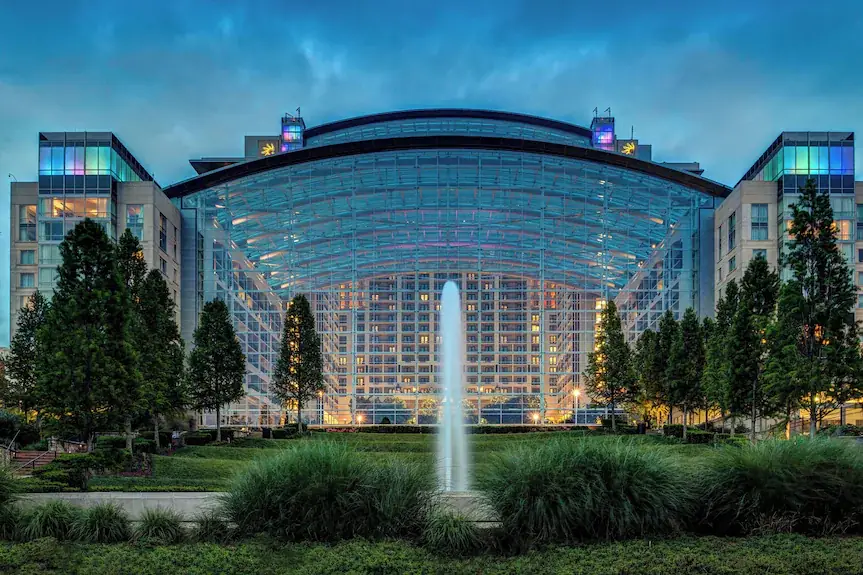
Massive properties containing over 1,000 rooms and extensive ballroom footprints, situated directly on major urban harbors and connected via enclosed skybridges to municipal exhibition halls. They offer unmatched scale and dramatic marine views, offset by high operational rigidity and complex public-private governance.
Coastal Lifestyle and Resort-Hybrid Convention Hubs
Properties located along scenic ocean or gulf coasts that blend resort-style amenities with robust meeting infrastructures, such as expansive lawn spaces and outdoor pavilion setups. They excel at executive engagement and incentive travel alignment, though their sleeping room capacities often require multi-property housing blocks.
Riverfront Urban Flagships
Hotels positioned along major navigable river systems in interior metropolitan cores, featuring direct riverwalk integrations and multi-level conference spaces. They provide exceptional downtown accessibility alongside specific river-level flood management constraints.
Historic Maritime Port Restorations
Restored nineteenth-century customs houses, grain elevators, or maritime warehouses converted into luxury convention properties. They deliver unmatched historical character and architectural prestige, alongside stringent historic preservation limits and rigid interior spatial layouts.
Marina-Integrated Convention Retreats
Properties built directly around private or municipal yacht basins, offering marine slips alongside dedicated executive meeting wings. They appeal heavily to maritime, defense, and energy sectors, though their perimeter expansion is strictly constrained by water boundaries.
Island and Peninsula Terminal Hubs
Exhibition-connected properties situated on restricted peninsulas or accessible islands where land area is at an absolute premium. They maximize scenic impact and security containment, while introducing severe logistical bottlenecks during high-volume freight move-in windows.
Property Category Comparison Matrix
| Property Category | Typical Room Inventory | Core Operational Advantage | Primary Constraint |
| Harbor Megaprojects | 1,000 to 2,000+ rooms | Massive scale and harbor views | High operational rigidity |
| Coastal Resort-Hybrids | 400 to 1,000 rooms | Executive appeal and outdoor space | Sleeping room capacity caps |
| Riverfront Flagships | 500 to 1,200 rooms | Riverwalk access and central core | River-level flood management |
| Historic Port Restorations | 200 to 600 rooms | Exceptional architectural character | Strict preservation constraints |
| Marina-Integrated Hubs | 300 to 900 rooms | Niche maritime sector alignment | Strict perimeter expansion limits |
| Peninsula Terminals | 600 to 1,500 rooms | High security and scenic impact | Severe freight bottleneck risks |
Realistic Decision Logic
Selecting the appropriate waterfront convention category requires aligning event demographics with physical constraints. If an association hosts an industrial manufacturing expo requiring heavy machinery floor loads and massive freight access, historic waterfront warehouse conversions must be disqualified in favor of modern harbor megaprojects with reinforced loading aprons. Conversely, for an exclusive executive board retreat focused on strategic alignment, sprawling convention megaprojects create counterproductive sensory overload. Planners must evaluate properties using a strict exclusion matrix—testing flood-gate clearances, loading dock wind ratings, and high-speed Wi-Fi penetration through thick coastal masonry—before reviewing promotional marketing materials.
Detailed Real-World Scenarios
The Global Energy Transition Summit at a Harbor-Adjacent Megaproject
A major international energy consortium contracts a 1,400-key harbor-adjacent convention hotel in a primary southern coastal market for a four-day exposition featuring 4,000 delegates and outdoor hydrogen vehicle displays along the marine promenade.
During the second afternoon, an unexpected tropical depression brings high-velocity coastal gales and storm surges that threaten to flood the outdoor display plaza and disrupt exterior electrical connections.
The hotel’s engineering director immediately activates the subterranean hydraulic flood barriers, shifts outdoor hydrogen exhibits into the covered ground-level portico using pre-rigged internal tracks, and maintains uninterrupted keynote delivery inside the secure primary ballroom. The crisis is managed with zero safety incidents, proving the value of robust coastal engineering redundancies.
The National Marine Technology Conference at a Marina-Integrated Resort
A specialized maritime engineering society convenes 1,200 researchers at a luxury marina-integrated convention hotel on the Pacific coast. The program requires testing remote-operated underwater vehicles in the adjacent yacht basin while hosting technical paper sessions in the hotel’s tiered waterfront amphitheater.
An unseasonal salt-mist corrosion failure knocks out the primary digital relay switch on the outdoor floating dock telemetry feed just minutes before a live demonstration.
The property’s on-site marine technicians immediately deploy a hermetically sealed backup wireless bridge and switch to auxiliary battery arrays, restoring the live underwater video feed with zero perceptible latency.
The International Financial Leadership Forum at a Riverfront Urban Flagship
A premier banking association brings 2,000 senior executives together for an intensive regulatory policy summit at a riverfront flagship hotel featuring extensive glass curtain walls overlooking a major midwestern river.
A severe upstream flash flood raises the river level to the threshold of the lower-level banquet kitchen, threatening the evening’s presidential gala.
The property’s facilities team coordinates instantly with municipal flood control authorities, secures the watertight bulkhead doors along the riverwalk promenade, and reroutes banquet food preparation to upper-level auxiliary kitchens. This decisive intervention preserves the gala schedule and ensures complete safety for all high-profile guests.
The Aerospace Defense Symposium at a Peninsula Terminal Property
An aerospace defense contractor association hosts 3,500 executives at a peninsula-based convention hotel and exhibition complex surrounded by open water on three sides.
A major local bridge accident blocks the primary highway artery connecting the peninsula to the metropolitan mainland, stranding dozens of key keynote speakers and freight trucks mid-transit.
The hotel’s executive concierge team instantly coordinates with local maritime authorities to dispatch private water taxis from downtown ferry terminals directly to the hotel’s private marina docks, transporting stranded speakers and priority materials to the venue with minimal schedule displacement.
Planning, Cost, and Resource Dynamics
The financial architecture of contracting premier waterfront convention properties involves complex direct and indirect variables. Direct expenses encompass peak-season room rates, mandatory coastal resort fees, and specialized audio-visual rigging charges required for glass-walled ballrooms. However, indirect financial impacts—such as master account attrition penalties, weather-insurance premium pass-throughs, and exclusive marine-dock rental fees—frequently dictate the true financial outcome of the event contract.
Opportunity costs manifest clearly in spatial efficiency and attendee engagement. Properties featuring seamless indoor-outdoor waterfront integrations maximize delegate networking satisfaction and event memorability. Yet, the premium pricing associated with tier-one coastal flagships demands rigorous budget justification, forcing organizations to balance high room rates against the unparalleled brand prestige delivered by the destination.
| Expense Category | Typical Variance Range | Primary Cost Drivers | Mitigation Strategy |
| Group Room Block Rates | $350 to $850+ per night | Coastal compression; seasonal demand | Negotiate multi-year multi-show rate caps |
| Waterfront Space Rental | Waived to $100,000+ daily | Marine views; outdoor terrace access | Structure sliding-scale space rental thresholds |
| AV & Salt-Resistant Rigging | High to Extreme | Glass architecture; specialized mounting | Conduct thorough pre-contract engineering audits |
| Catering & Banqueting | $140 to $400+ per person daily | Local gourmet sourcing; labor logistics | Negotiate fixed service charge percentages |
Tools, Strategies, and Support Systems
Managing large-scale group room blocks and complex meeting spaces within premier waterfront hotels requires advanced digital tooling and rigorous operational frameworks.
Cloud-Based Housing and Marine Sub-Block Portals
Utilizing centralized room inventory systems that interface directly with property management databases to track VIP marina slip allocations, waterfront suite upgrades, and real-time attrition rates without lag.
Real-Time Weather and Tide Monitoring Integration
Deploying specialized telemetry software linked to local meteorological stations and NOAA tidal sensors to provide automated early warnings regarding coastal wind shears and high-tide flood thresholds.
Encrypted Maritime Radio Comms Grids
Establishing dedicated multi-channel communication networks linking hotel event services managers, marine dockmasters, and municipal port authorities instantly.
Automated Folio Auditing Software
Employing specialized financial reconciliation tools to cross-reference daily master account charges against coastal tax assessments, resort fees, and service caps.
Port Authority and Coast Guard Partnerships
Engaging local maritime regulatory bodies early in the contracting phase to secure specialized security perimeters, water traffic controls, and emergency evacuation corridors.
Environmental Stress Sensor Arrays
Tracking indoor humidity, salt-mist infiltration rates, and thermal loads across sprawling glass-walled ballrooms to optimize HVAC performance and protect sensitive presentation equipment.
Risk Landscape and Failure Modes
Operating within high-density waterfront convention hotels exposes organizations to compounding operational risk cascades. The primary vulnerability lies in meteorological and structural interdependency. When an event relies on a massive room block tied to a single coastal headquarter hotel, any extreme weather event—such as a sudden hurricane, nor’easter, or severe tidal surge—creates massive logistical bottlenecks that paralyze delegate movement and threaten property safety. If coastal floodwaters inundate ground-level access points, entire convention tracks can be halted, damaging organizational credibility.
Another critical risk category involves architectural vulnerability and guest comfort. Waterfront properties featuring extensive floor-to-ceiling glass facades are highly susceptible to solar heat gain and coastal glare, which can wash out projection screens and make massive glass ballrooms nearly unusable during peak daylight hours without expensive automated blackout shading systems. Furthermore, high-velocity coastal winds can create whistling acoustic interference through exterior expansion joints, disrupting quiet breakout sessions.
Governance, Maintenance, and Long-Term Adaptation
Maintaining long-term operational alignment between corporate organizers and premier waterfront hotels requires structured governance cadences extending far past initial contract execution. Multi-year convention programs utilizing these properties must establish formal review cycles, beginning with comprehensive strategic audits twelve months out and transitioning into weekly operational synchronization meetings thirty days prior to event launch.
Adjustment Triggers
Define explicit numerical thresholds—such as a National Weather Service coastal storm advisory or a 15% variance in room block pickup velocity—that automatically mandate emergency layout adjustments or maritime transport rerouting.
Post-Event Forensic Debriefs
Conduct formal review sessions with hotel general managers, director of marine operations, and banquet directors within fourteen days of event closure to document billing accuracy and service execution.
Layered Compliance Checklists
Maintain living documentation tracking municipal coastal zone management codes, federal flood insurance requirements, and marine environmental protection standards across all utilized guest towers and convention floors.
Measurement, Tracking, and Evaluation
Assessing the true efficacy of hosting major events within premier waterfront convention properties requires balancing traditional quantitative financial metrics with nuanced qualitative feedback loops. Relying exclusively on high-level registration counts hides critical operational friction points that impact long-term program participation.
Leading Indicators
Monitor early room block pickup curves, VIP marina slip reservation velocity, and advance networking platform engagement. These metrics indicate whether the property’s coastal brand pull successfully drives early organizational commitment.
Lagging Indicators
Analyze final master account variance, post-event survey data segmented by guest floor orientation, and net promoter scores evaluating property cleanliness and waterfront staff responsiveness.
Qualitative Signals
Evaluate attendee cognitive stamina, spatial fatigue reports, and qualitative commentary concerning room comfort, culinary diversity, and public waterfront noise levels.
Documentation Reference Examples
Master Concession Tracking Ledger
A living spreadsheet cross-referencing all negotiated rental rebates, complimentary marina slip allocations, and bandwidth discounts against actualized folio charges.
Spatial Utilization Audit
A post-event heat map tracking room occupancy percentages across indoor ballrooms and outdoor waterfront terraces to identify spatial bottlenecks.
Vendor Performance Scorecard
An objective grading rubric evaluating in-house audio-visual technicians, marine dockmasters, and security details on responsiveness, execution speed, and conflict resolution.
Common Misconceptions and Oversimplifications
-
Myth: Waterfront hotels operate independently of municipal port and maritime regulations.
-
Correction: Coastal properties must comply with strict state and federal maritime zoning laws, environmental protection mandates, and local port authority ordinances.
-
-
Myth: Floor-to-ceiling glass waterfront views guarantee a comfortable and productive meeting environment.
-
Correction: Unfiltered solar heat gain and coastal glare often require expensive automated shading systems and high-capacity HVAC adjustments to maintain indoor comfort.
-
-
Myth: Coastal storms only impact properties during direct hurricane landfalls.
-
Correction: High-velocity coastal gales, extreme high tides, and persistent marine-layer moisture can cause localized flooding and equipment failures without a major named storm.
-
-
Myth: Standard room block attrition clauses are unchangeable administrative boilerplate.
-
Correction: Attrition terms in high-demand coastal markets are highly negotiable based on historical pickup data, historical spend volume, and overall regional compression dynamics.
-
-
Myth: Marina-integrated hotels offer unlimited docking capacity for delegate vessels.
-
Correction: Private marina slips are strictly limited in number and size, requiring months of advance reservation and coordination with port authorities.
-
Ethical, Practical, or Contextual Considerations
Hosting thousands of corporate delegates within premier waterfront convention hotels carries profound responsibilities regarding environmental sustainability, marine conservation, and coastal equity. Massive convention properties consume substantial energy, generate significant waste streams, and discharge wastewater into delicate estuarine and marine ecosystems. Planners committed to corporate sustainability should prioritize properties featuring LEED certifications, comprehensive marine waste diversion programs, and active partnerships with coastal restoration initiatives.
Furthermore, downtown waterfront developments profoundly impact public access to shorelines, local housing markets, and municipal coastal infrastructure. Planners should evaluate property labor and environmental practices, ensuring fair compensation, safe working conditions, and adherence to public coastal access laws. Engaging local minority-owned businesses and diverse suppliers ensures that event expenditures support the broader coastal community while fostering inclusive economic growth.
Conclusion
Maximizing the strategic value of metropolitan waterfront convention hotels requires intellectual rigor, meticulous risk assessment, and a clear-eyed rejection of superficial marketing claims. While these properties offer unmatched scale, architectural prestige, and dramatic maritime backdrops, they demand disciplined operational oversight to offset their inherent structural, environmental, and logistical frictions. Organizers who master the complex interplay between coastal engineering, marine logistics, and luxury hospitality convert these flagship assets into powerful engines of long-term organizational alignment and professional growth.