Top Convention Hotels All Inclusive Plans: The Definitive Guide
The intersection of corporate assembly and comprehensive hospitality packaging has fundamentally shifted. Enterprises and association organizers frequently reject the logistical fragmentation of traditional conference centers. Consequently, they avoid unpredictable ancillary expenditures on dining and audio-visual support. Instead, demand has surged for integrated properties that bundle core lodging, meeting infrastructure, and provisions into unified financial agreements. This structural evolution addresses the growing imperative for cost predictability while supporting the well-being of delegates.
However, orchestrating complex conventions within comprehensive service models introduces distinct operational challenges. Planners must reconcile rigid master-account inclusions with shifting professional demands. Furthermore, they must ensure streamlined pricing does not compromise technical execution or dietary customization. Therefore, navigating intricate contractual terms and capacity limitations requires careful strategy. Analyzing this specialized sector demands moving past superficial marketing claims to examine the structural mechanics governing these properties.
Understanding “top convention hotels all inclusive plans”
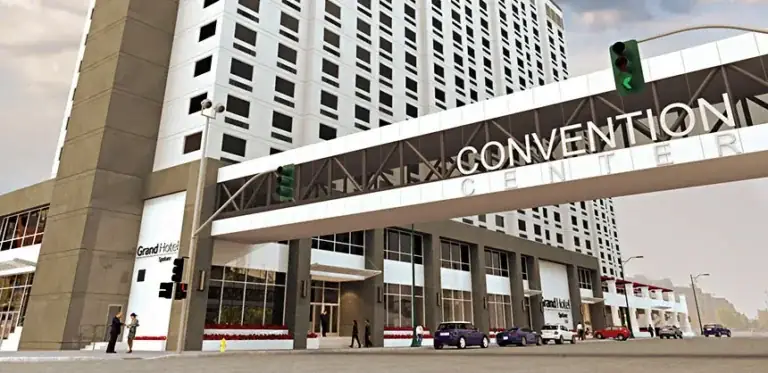
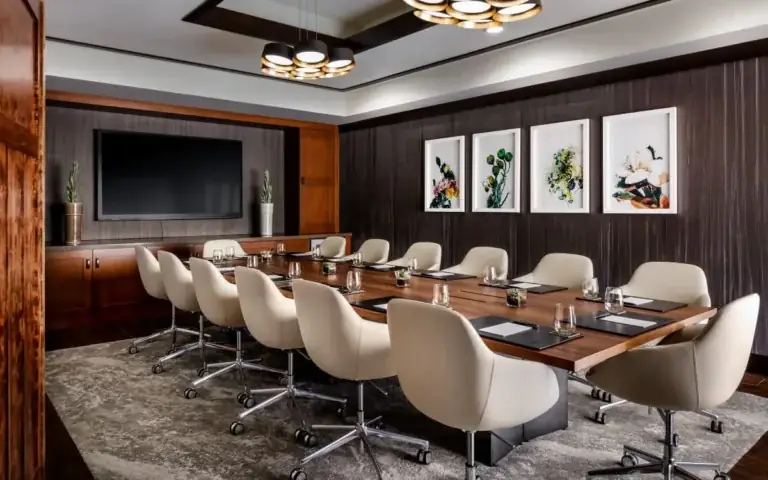
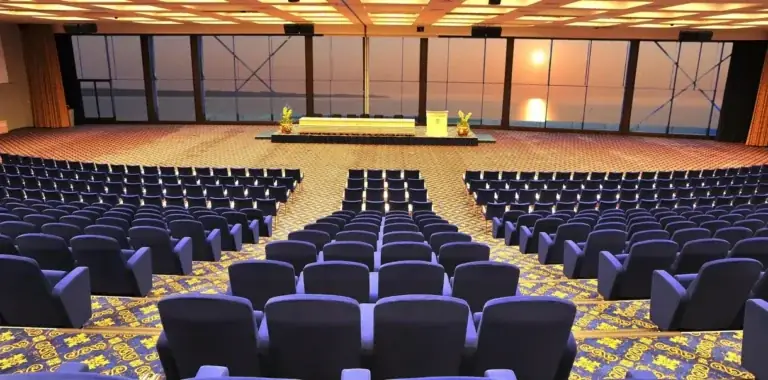
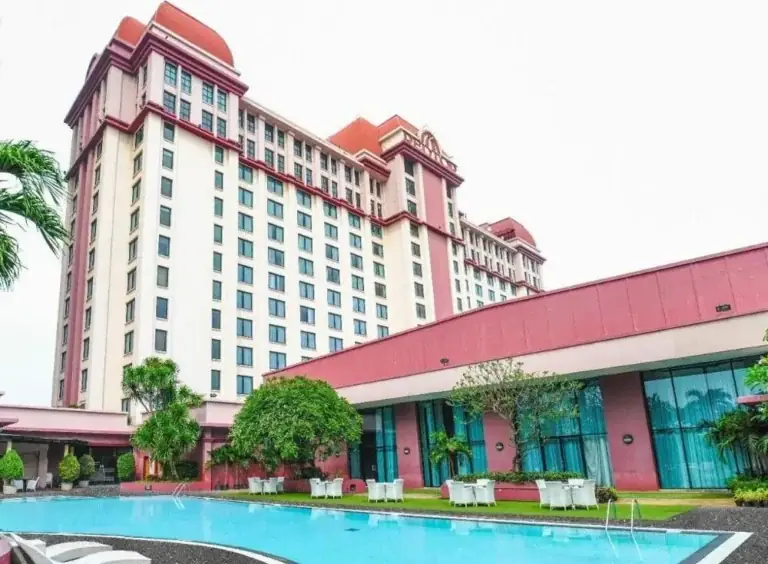
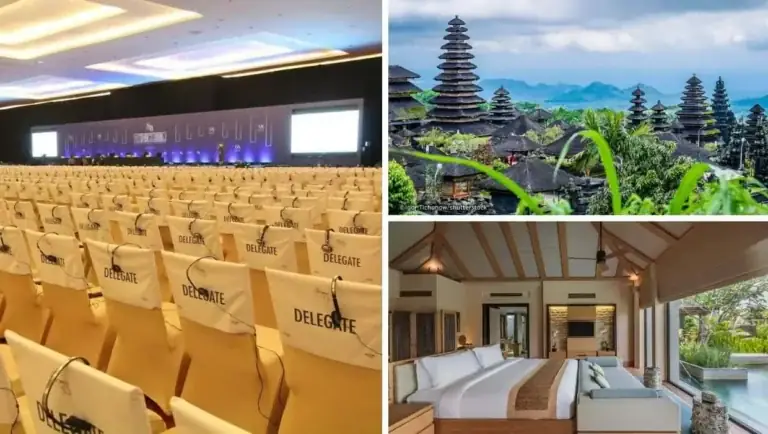
The designation of top convention hotels all inclusive plans encompasses premier properties and integrated resort campuses. These assets bundle large-scale meeting infrastructure, group lodging, curated food and beverage programs, and standard audio-visual support into consolidated master-billing structures. Unlike leisure resorts that focus exclusively on vacationers, these professional ecosystems support exhibition halls, tiered amphitheaters, secure breakout rooms, and high-speed enterprise data networks alongside comprehensive hospitality provisions.
Common misunderstandings of this asset class center on the assumption that bundled pricing covers every possible event contingency. Stakeholders frequently equate comprehensive packaging with zero hidden fees. Consequently, they ignore critical exclusions such as specialized rigging labor, custom electrical drops, and third-party software licensing. For example, a corporate planner might secure a comprehensive resort package for an annual sales summit. Yet, they often discover that multi-gigabit dedicated fiber circuits incur separate master-account charges.
Oversimplification risks are equally prevalent when evaluating financial scalability. Comprehensive group models rely on strict minimum-spend thresholds and guaranteed room block commitments. Treating these integrated packages as flexible, risk-free solutions obscures severe financial penalties associated with attendee attrition and under-consumed food minimums.
Deep Contextual Background
The evolution of comprehensive financial models reflects decades of tension between predictability and customization in event management. Throughout the late twentieth century, corporate meetings operated on fragmented accounting models. Planners negotiated separate contracts for guest rooms, banquet catering, meeting space rentals, and technical services. This multi-vendor approach routinely generated budget overruns and unpredictable final billing reconciliations.
As corporate governance tightened following regulatory shifts, organizations demanded greater budget certainty. Real estate developers and hospitality brands responded by introducing bundled group packages. Initially, these focused on simplified day-meeting packages before expanding into full residential convention models. These early iterations streamlined basic food and beverage services. However, they struggled to accommodate complex technical demands of modern multi-media trade shows.
The subsequent maturation of comprehensive business resort assets was catalyzed by the rise of experiential corporate culture. Properties began integrating high-capacity convention halls with all-inclusive hospitality frameworks. This convergence minimized administrative overhead for meeting planners while providing operators with reliable baseline occupancy across multi-day industry gatherings.
Conceptual Frameworks and Mental Models
Evaluating premier properties that offer bundled professional packages requires structured analytical frameworks extending well beyond standard square footage calculations.
The Inclusion-Customization Equilibrium
This framework maps the ratio of standardized bundled provisions against bespoke event requirements. Specifically, it evaluates whether an all-inclusive model restricts creative staging or successfully streamlines operations.
The Master-Account Attrition Risk Matrix
This matrix measures financial exposure under bundled pricing terms if actual attendee headcounts fall below contracted minimums across lodging, dining, and plenary access.
The Technical Throughput versus Hospitality Index
This index assesses the balance between lifestyle amenities and enterprise-grade technical infrastructure, ensuring recreational leisure features do not overshadow mission-critical bandwidth.
The Total Cost of Assembly Model
This model quantifies every variable expense—including service charges, resort assessments, and external vendor fees—against the headline bundled package rate to determine true financial efficiency.
Key Categories or Variations
The landscape of professional venues offering comprehensive group packaging encompasses several distinct operational archetypes, each presenting unique structural trade-offs.
Integrated Suburban Conference Centers
These properties are purpose-built for corporate training seminars, featuring standardized modular meeting rooms and all-inclusive packages. They excel at focused operational productivity, offset by limited large-scale exhibition space.
Sunbelt Comprehensive Resort Campuses
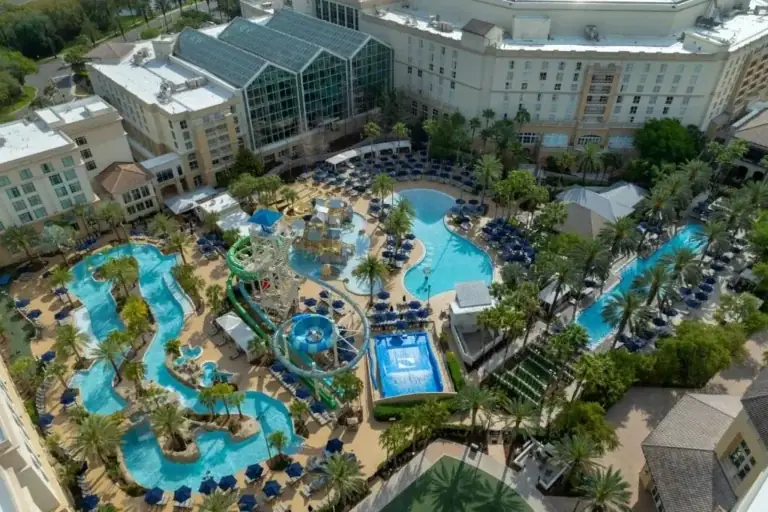
These are expansive leisure properties in primary warm-weather regions that adapt massive ballroom inventory for corporate buyouts with bundled dining. They offer exceptional attendee morale, though sprawling footprints create logistical transit challenges.
Urban Boutique All-Inclusive Business Hotels
These specialized metropolitan properties offer fully inclusive executive retreat packages for smaller leadership cohorts, integrating private dining and boardrooms. They provide urban accessibility, alongside restricted maximum capacities.
Destination Mountain and Alpine Lodges
These high-altitude properties provide seasonal bundled packages combining rustic meeting facilities with outdoor team-building activities. They deliver deep strategic focus, though remote locations can complicate international travel.
Coastal Eco-Convention Resorts
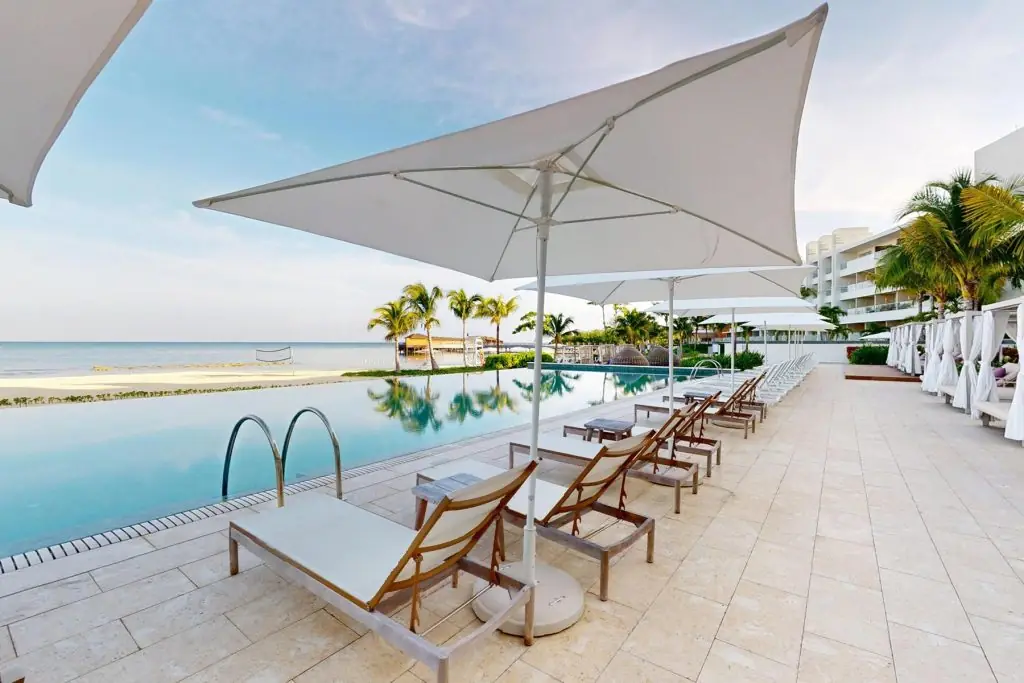
These low-density coastal properties feature sustainable design, open-air meeting pavilions, and local dining inclusions. They provide inspiring backdrops for executive forums, alongside strict environmental protection limits.
Multi-Property Integrated Gaming and Convention Complexes
These massive hospitality ecosystems combine convention centers, entertainment arenas, and dining packages across interconnected towers. They offer unparalleled scale, offset by high ambient distraction levels.
Destination Category Comparison Matrix
| Destination Category | Typical Scale & Inventory | Core Operational Advantage | Primary Constraint |
| Suburban Conference Centers | 100 to 300 rooms | Zero distraction and focused layout | Limited large-scale exhibition space |
| Sunbelt Comprehensive Resorts | 500 to 2,000+ rooms | High capacity and morale boost | Sprawling footprints and transit lag |
| Urban Boutique All-Inclusive | 50 to 150 rooms | High executive privacy and access | Restricted maximum attendee capacity |
| Alpine Mountain Lodges | 150 to 400 rooms | Deep focus and team-building utility | Remote transit logistics |
| Coastal Eco-Convention Resorts | 100 to 300 rooms | Sustainability and inspiration | Weather vulnerability and strict codes |
| Gaming & Convention Complexes | 1,000 to 4,000+ rooms | Massive scale and entertainment | High distraction and complex bureaucracy |
Realistic Decision Logic
Selecting the appropriate comprehensive convention venue requires aligning organizational objectives with structural capabilities. Specifically, if an enterprise hosts an intensive executive retreat requiring secure breakout rooms, massive gaming complexes must be disqualified in favor of suburban conference centers. Conversely, for a global sales kickoff requiring exhibition space and tiered plenary seating, specialized conference centers are inadequate. Planners must evaluate venues using a strict exclusion matrix—testing acoustic privacy ratings and bundled inclusion limits—before executing agreements.
Detailed Real-World Scenarios
The Global Technology Sales Kickoff at a Sunbelt Comprehensive Resort
A multinational software enterprise contracted a sunbelt resort offering a comprehensive group package for its annual sales kickoff. On the opening morning, an unexpected surge in mobile connections overwhelmed the bundled Wi-Fi network. Consequently, this threatened to disrupt mobile badge scanning. The technical team immediately activated an isolated secondary VLAN included under an auxiliary agreement, restoring bandwidth stability within twenty minutes.
The Pharmaceutical Regulatory Summit at a Suburban Conference Center
A major pharmaceutical manufacturer convened senior compliance officers at a dedicated suburban conference center utilizing an all-inclusive residential package. Midway through the program, a severe weather advisory forced the cancellation of external departures, extending the stay by twenty-four hours. Because the master agreement included flexible contingency clauses for emergency lodging extensions, the organization absorbed the extra day without incurring punitive penalties.
The Financial Leadership Forum at an Urban Boutique All-Inclusive Hotel
An investment banking association hosted managing directors at an urban boutique property utilizing an exclusive executive all-inclusive package. The program required highly specialized allergen-free dietary provisions for every meal. The culinary team coordinated daily with corporate dietitians, executing multi-course private dining without triggering billing discrepancies or service delays.
The Aerospace Engineering Symposium at an Alpine Mountain Lodge
An aerospace defense contractor association brought engineers together for a technical review at an alpine mountain lodge. An unseasonal blizzard dropped heavy snow, blocking regional access roads and threatening the evening gala. The lodge’s operations crew rapidly reconfigured indoor lounge spaces and utilized onsite catering stores to shift the outdoor gala indoors, maintaining complete event integrity.
Planning, Cost, and Resource Dynamics
The financial architecture of contracting venues with bundled professional plans involves complex direct and indirect variables. Direct expenses encompass per-person package rates, master room block commitments, and administrative fees. However, indirect financial impacts—such as attrition penalties and unutilized meal credits—frequently dictate the true financial outcome of the event contract.
Opportunity costs manifest clearly in administrative efficiency and financial predictability. Bundled plans eliminate thousands of line-item negotiations, saving hundreds of hours of planning labor. Yet, the upfront premium associated with comprehensive packages demands rigorous budget justification. Therefore, organizations must weigh fixed per-person pricing against potential savings of unbundled procurement.
| Expense Category | Typical Variance Range | Primary Cost Drivers | Mitigation Strategy |
| All-Inclusive Per-Person Rates | $250 to $700+ per day | Seasonality; inclusion tier | Negotiate tiered volume discount thresholds |
| Master Room Attrition Penalties | 10% to 50% of dropped rooms | Unfilled room blocks; peak dates | Secure sliding-scale reduction windows |
| Auxiliary Technical Upgrades | $5,000 to $50,000+ per event | Bandwidth demands; custom rigging | Audit standard inclusion limits upfront |
| Service Gratuities & Taxes | 18% to 28% additional | Local tax codes; mandatory tips | Factor gross tax and tip totals into base bids |
Tools, Strategies, and Support Systems
Managing large-scale corporate events within comprehensive convention properties requires advanced digital tooling and rigorous operational frameworks.
-
Unified Master-Account Dashboard Platforms: Utilizing centralized financial software that interfaces directly with property management databases to track real-time consumption of bundled meals.
-
Automated Attrition Tracking Portals: Deploying specialized forecasting tools to monitor room block pickup curves against contractual attrition thresholds.
-
Encrypted Multi-Channel Communication Grids: Establishing dedicated digital radio networks linking corporate planners, property concierges, and audio-visual engineers for instant issue resolution.
-
Dynamic Dietary Management Apps: Employing digital registration tools that sync attendee dietary restrictions directly with the resort’s point-of-sale system to streamline meal services.
-
Bandwidth Allocation Monitoring Software: Utilizing real-time network telemetry tools to track Wi-Fi saturation across breakout zones, ensuring compliance with service level agreements.
-
Post-Event Forensic Reconciliation Systems: Deploying specialized auditing software to cross-reference master folio charges against contract inclusions, eliminating duplicate service fees.
Risk Landscape and Failure Modes
Operating within comprehensive convention environments exposes organizations to compounding operational risk cascades. The primary vulnerability lies in rigidity of scope. When an organization enters a strict all-inclusive master agreement, any unforeseen change in attendee count can trigger punitive contractual change fees. If an event expands rapidly mid-planning, properties may lack the physical capacity to absorb growth under the original pricing structure.
Another critical risk category involves quality dilution across high-volume bundled services. Because all-inclusive models rely on standardized provisioning, large delegations can experience bottlenecks during peak dining hours. Furthermore, relying on venue-provided audio-visual equipment bundled into a package can introduce technical vulnerabilities if hardware is outdated.
Governance, Maintenance, and Long-Term Adaptation
Maintaining long-term operational alignment between corporate buyers and comprehensive convention properties requires structured governance cadences extending far past contract execution. Multi-year corporate gathering programs must establish formal review cycles, beginning with strategic audits twelve months out and transitioning into weekly operational meetings thirty days prior to event load-in.
-
Adjustment Triggers: Define explicit numerical thresholds—such as a 15% variance in room block pickup velocity—that automatically mandate emergency contract renegotiations.
-
Post-Event Forensic Debriefs: Conduct formal review sessions with property general managers and master-account billing specialists within fourteen days of event closure to document financial accuracy.
-
Layered Compliance Checklists: Maintain living documentation tracking data privacy standards and municipal health codes across all utilized convention spaces.
Measurement, Tracking, and Evaluation
Assessing the true efficacy of hosting corporate conventions within comprehensive resort packages requires balancing traditional quantitative financial metrics with qualitative feedback loops. Relying exclusively on immediate post-event survey scores hides critical operational friction points.
-
Leading Indicators: Monitor early registration velocity and room block pickup curves to indicate whether the bundled package successfully drives organizational commitment.
-
Lagging Indicators: Analyze final master account billing variance against initial projections, post-event cost-per-attendee metrics, and overall budget adherence percentages.
-
Qualitative Signals: Evaluate attendee satisfaction concerning culinary variety, service responsiveness, and the overall stress reduction attributed to the all-inclusive model.
Common Misconceptions and Oversimplifications
-
Myth: All-inclusive convention plans eliminate the need for an internal master-account auditing team.
-
Correction: Bundled plans frequently generate complex ancillary charges for non-standard services that require daily auditing.
-
-
Myth: Standard resort all-inclusive dining packages easily accommodate large corporate buyouts simultaneously.
-
Correction: Large business delegations exercising meal inclusions concurrently can overwhelm standard restaurant capacities, requiring dedicated private banquet spaces.
-
-
Myth: Included venue Wi-Fi is universally sufficient for enterprise software demonstrations.
-
Correction: Standard bundled wireless networks are designed for casual browsing and cannot support heavy multi-device developer conferences without dedicated bandwidth upgrades.
-
-
Myth: Attrition clauses in comprehensive group contracts are unchangeable administrative boilerplate.
-
Correction: Attrition terms are highly negotiable based on historical spend volume and multi-year commitments.
-
-
Myth: Comprehensive packages insulate an event from all external economic volatility.
-
Correction: Fixed per-person rates often include escalation clauses linked to regional inflation indices.
-
Ethical, Practical, or Contextual Considerations
Hosting corporate groups within comprehensive convention properties carries profound responsibilities regarding environmental stewardship, food waste management, and labor equity. All-inclusive culinary programs inherently generate substantial food waste due to high-volume buffet production. Planners committed to corporate sustainability should prioritize properties featuring organic waste diversion programs and active partnerships with regional conservation initiatives.
Furthermore, massive resort developments frequently impact local labor markets and municipal water supplies. Corporate buyers should evaluate property labor practices and community engagement initiatives, ensuring fair compensation and safe working conditions. Engaging regional minority-owned businesses ensures that corporate expenditures support the host region while fostering inclusive economic growth.
Conclusion
Maximizing the strategic value of comprehensive convention packages requires intellectual rigor, meticulous risk assessment, and a clear-eyed rejection of superficial marketing claims. While these properties offer unmatched financial predictability and administrative efficiency, they demand disciplined operational oversight to offset their inherent structural rigidities. Organizers who master the complex interplay between professional engineering, financial auditing, and hospitality excellence convert these flagship assets into powerful engines of long-term organizational growth.