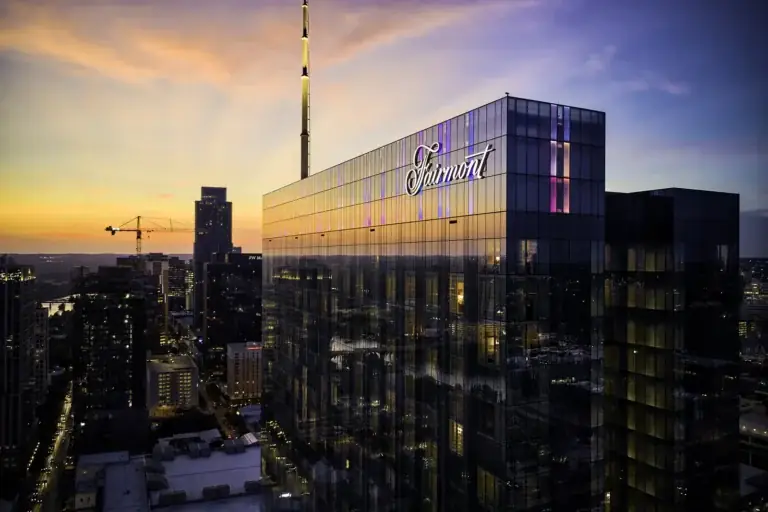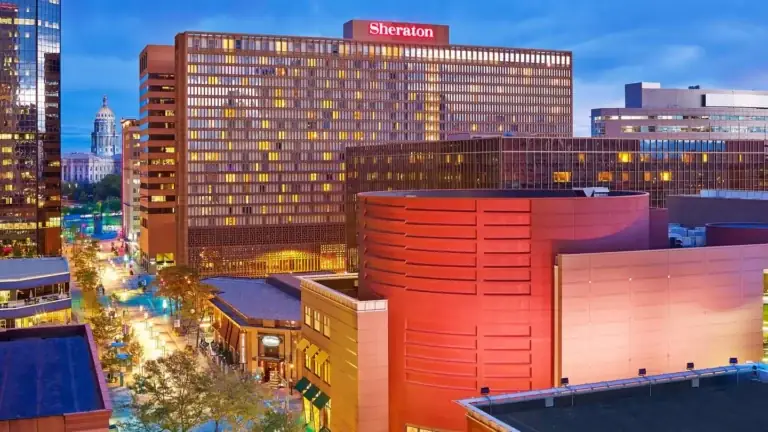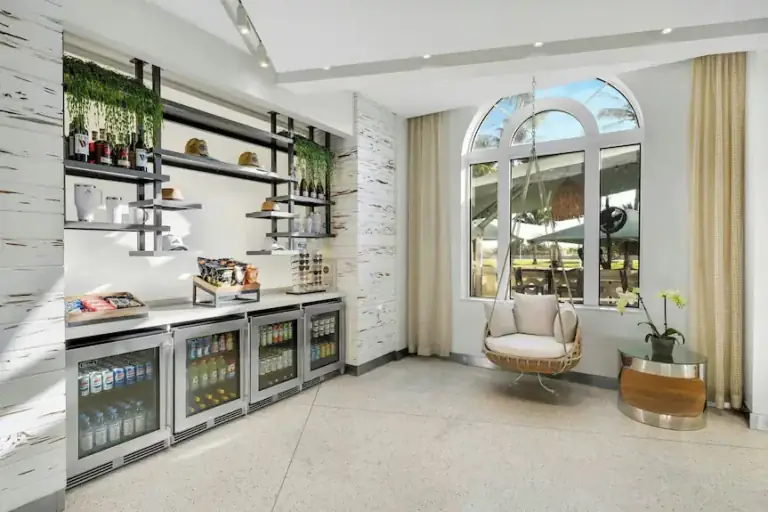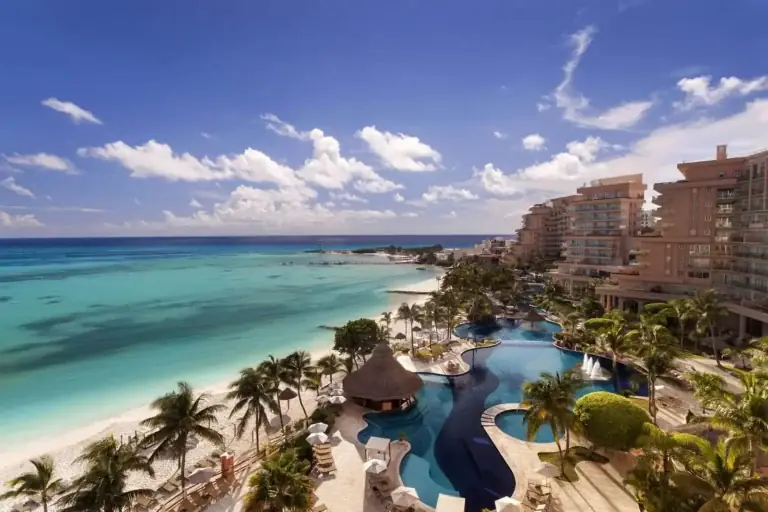
American Convention Hotels Lifestyle: Expert Guide
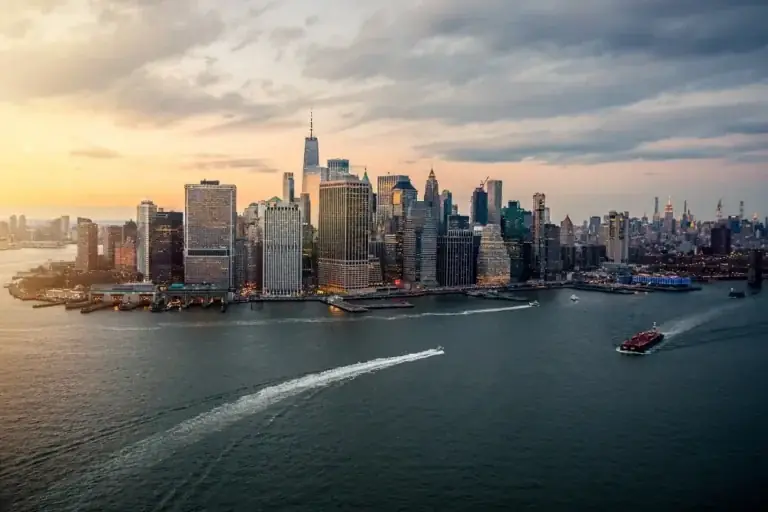
The evolution of large-scale commercial hospitality across the United States has fundamentally transformed how professional communities assemble, collaborate, and consume spatial environments. Convention properties no longer function merely as monolithic dormitories anchored to exhibition halls. Instead, they operate as dynamic urban ecosystems where professional obligations, wellness practices, culinary exploration, and digital connectivity converge. This convergence defines a distinct cultural and operational paradigm within modern business travel, reshaping architectural design, asset management, and daily delegate routines.
Analyzing this operational reality requires moving beyond superficial observations of hotel lobby aesthetics or promotional room rates. Corporate travel directors, association executives, and real estate asset managers must evaluate the complex interplay between high-density functional design and modern lifestyle expectations. When thousands of industry delegates occupy multi-property complexes, the ambient culture of the venue directly impacts networking productivity, cognitive endurance, and overall event satisfaction. Master-planning these environments demands an appreciation of how physical infrastructure supports human behavior under high-stress professional conditions.
Achieving long-term authority in commercial event logistics requires a rigorous analytical approach to the american convention hotels lifestyle. Whether evaluating urban gateway towers featuring integrated wellness amenities or sprawling suburban hospitality campuses designed for immersive corporate retreats, understanding underlying socio-spatial dynamics protects organizational capital and elevates attendee engagement. This reference provides an exhaustive exploration of operational frameworks, evaluation models, and strategic methodologies defining premier convention properties nationwide.
Understanding “american convention hotels lifestyle”
Unpacking the Core Concept
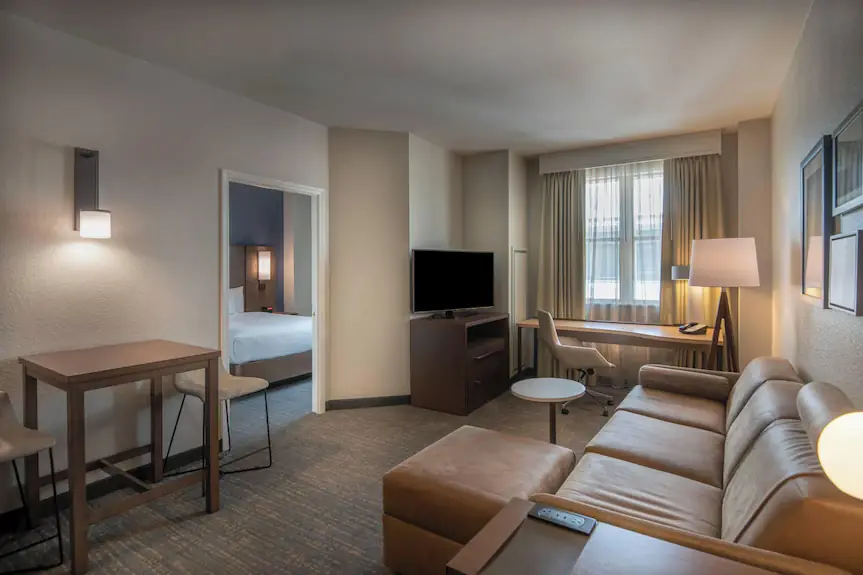
The phrase american convention hotels lifestyle is frequently oversimplified in commercial travel journalism and corporate lifestyle blogs. General publications reduce intricate socio-spatial interactions to superficial amenities like 24-hour fitness centers or craft cocktail bars in the atrium. Praising a property’s designer lobby seating gets treated as a primary marker of hospitality excellence. However, these generalized summaries ignore critical structural realities. Master-planning an elite delegate experience requires analyzing circadian lighting design, acoustic isolation in open-plan co-working zones, ergonomic workstation integration, and seamless digital concierge ecosystems. Furthermore, analysts must distinguish between transient leisure trends and permanent behavioral shifts among high-frequency business travelers.
Evaluating Measurable Financial and Behavioral Parameters
In professional hospitality asset management, executing an accurate spatial evaluation strategy requires focusing on measurable behavioral and economic parameters. These parameters include dwell times in collaborative public zones, square footage ratios allocated to wellness versus exhibition space, premium yield on lifestyle-upgraded guest rooms, and digital bandwidth consumption per delegate. Moreover, historical guest retention rates and post-event satisfaction indices dictate true institutional value. A common misunderstanding assumes that adding trendy design elements automatically translates to higher professional productivity. In reality, true operational success lies in balancing aesthetic engagement with rigorous functional reliability.
Operational Friction Points
Analyzing these operational challenges requires recognizing a fundamental tension. Planners and asset managers must balance the desire for vibrant, social hospitality environments against the quiet focus required for high-stakes corporate negotiations. Anyone researching comprehensive insights on the american convention hotels lifestyle will uncover unique administrative friction points. Organizations operating without integrated attendee behavior tracking frequently struggle with spatial bottlenecks, leading to overcrowded dining corridors, saturated co-working hubs, and dissatisfied delegates. Planners relying entirely on traditional booking metrics routinely miss critical behavioral indicators regarding wellness burnout and digital fatigue among conference participants.
Deep Contextual Background
Historical Roots of Convention Hospitality Culture
The historical evolution of group-oriented hospitality in the United States traces distinct roots across mid-century downtown commercial hotels and sprawling post-war resort complexes. In early eras of industrial expansion, properties maintained strict separation between formal meeting spaces and guest accommodations. Public areas prioritized corporate formality, featuring heavy wood-paneled seating, structured dining rooms, and rigid scheduling protocols that mirrored traditional corporate hierarchies of the era.
The Shift Toward Lifestyle Integration and Bleisure Travel
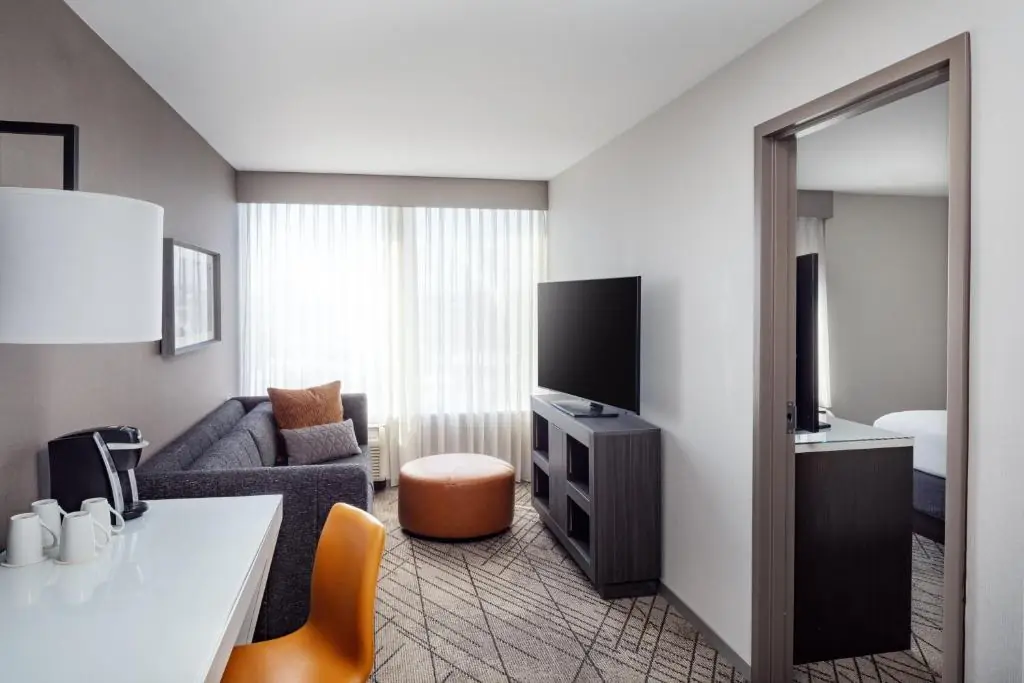
Throughout the late twentieth and early twenty-first centuries, shifts in corporate culture and workforce demographics catalyzed a structural shift. The rigid boundaries between work and personal life dissolved, giving rise to the bleisure travel movement and a demand for flexible, human-centric architectural design. Hospitality developers realized that modern delegates expected properties to reflect contemporary urban living standards rather than sterile corporate environments. Properties introduced open-plan social hubs, biophilic design elements, locally sourced culinary concepts, and integrated wellness programming to capture shifting consumer preferences.
Modern Technological and Wellness Demands
By the mid-2020s, new socioeconomic shifts accelerated demand for hyper-connected, health-conscious convention environments. The widespread adoption of hybrid work models transformed delegates into digitally mobile professionals who require robust cybersecurity infrastructure alongside restorative wellness amenities. Modern planners now operate in a mature domestic market where urban convention properties balance high-density meeting execution against individual lifestyle customization.
Conceptual Frameworks and Key Variations
Essential Analytical Models
Evaluating the operational maturity and socio-spatial dynamics of convention properties relies on structured mental models:
-
The Spatial Dwell-Time Index: Quantifies the duration and frequency of delegate utilization across non-meeting public zones, such as co-working lounges and atrium cafes.
-
The Cognitive Recovery Ratio: Measures the availability and utilization of quiet zones, wellness areas, and biophilic spaces relative to high-stress plenary session density.
-
The Ecosystem Integration Model: Evaluates how seamlessly a property connects delegates to the surrounding urban fabric, local dining, and cultural districts.
-
The Digital Friction Framework: Assesses the reliability, speed, and security of wireless infrastructure across high-density public and private environments.
Categorizing Lifestyle Property Variations
-
Urban Gateway Towers: High-density downtown properties blending sleek architectural design with massive exhibition capacities and fast-paced metropolitan energy.
-
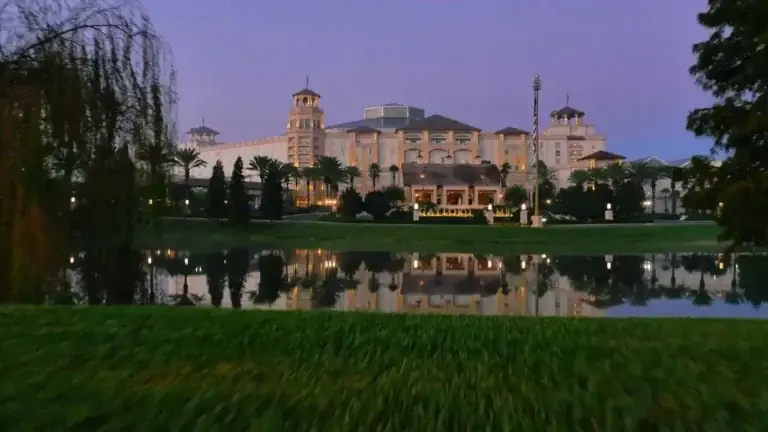
Integrated Resort Compounds: Sprawling regional properties combining extensive convention facilities with golf courses, spas, and outdoor team-building environments.
-
Historic Adaptive Reuse Hubs: Converted industrial or civic structures offering distinct architectural character, artisanal food halls, and creative breakout spaces.
-
Boutique Lifestyle Flagships: Mid-scale design-forward properties emphasizing hyper-localized art, personalized guest services, and intimate networking areas.
-
Airport Transit Super-Hubs: Highly efficient properties optimized for rapid international arrivals, featuring modular meeting pods and 24-hour productivity hubs.
-
Eco-Sustainable Sanctuaries: Properties championing zero-waste operations, organic farm-to-table dining, and wellness-focused architectural layouts.
Realistic Decision Logic
When applying decision logic, discerning event planners must align venue selection with the specific cultural and functional profile of their organization. High-energy technology summits and creative industry gatherings thrive within urban gateway towers or historic adaptive reuse hubs. Conversely, executive health retreats and strategic leadership conclaves require the restorative environment of integrated resort compounds or eco-sustainable sanctuaries.
Detailed Real-World Scenarios
Resolving Spatial Bottlenecks in Urban Convention Atriums
A major international technology association contracts a flagship downtown convention hotel in Chicago for a 5,000-attendee annual product showcase.
-
Constraint: The primary central atrium experiences severe congestion during morning arrival peaks, causing frustration and delayed workshop entries.
-
Failure Mode: Poor crowd flow management creates bottlenecks that disrupt the tight scheduling of keynote presentations and vendor exhibitions.
-
Decision Point: Restructure public circulation pathways by deploying digital wayfinding totems, opening secondary mezzanine stairwells, and converting underutilized lounge corners into decentralized coffee distribution stations.
Integrating Wellness Programming into Intensive Medical Congresses
A national medical association coordinates a four-day clinical symposium at a large resort hotel in Orlando.
-
Constraint: Delegates experience high cognitive fatigue from grueling ten-hour lecture schedules in windowless plenary halls.
-
Failure Mode: Declining afternoon attendance and low engagement levels compromise the educational value of the symposium.
-
Decision Point: Introduce mandatory twenty-minute movement breaks, establish pop-up meditation and hydration pods in nearby foyer spaces, and incorporate outdoor walking meetings into the afternoon agenda.
Managing High-Bandwidth Demands in Co-Working Public Hubs
A global financial enterprise hosts an executive strategy session at a lifestyle convention property in San Francisco.
-
Constraint: Three hundred executives attempt to simultaneously stream video feeds and access encrypted financial servers from the hotel’s open-plan lobby co-working lounge.
-
Failure Mode: Shared public Wi-Fi bandwidth collapses, halting critical corporate operations and drawing immediate complaints from senior leadership.
-
Decision Point: Deploy an independent, dedicated temporary fiber-optic VLAN and secure private access points specifically quarantined for the corporate delegation.
Balancing Nightlife Activation with Quiet Rest in Urban Towers
A prominent legal association books a block of rooms at a vibrant lifestyle convention hotel known for its popular rooftop lounge.
-
Constraint: Late-night music and social activities from the rooftop venue bleed through structural walls into the sleeping rooms of early-rising litigators.
-
Failure Mode: Sleep deprivation among delegates leads to poor focus, low attendance at morning panels, and negative post-event survey feedback.
-
Decision Point: Enforce strict acoustic dampening protocols on upper floors, implement automated noise-reduction curfews, and reassign sensitive executive delegates to insulated lower wings.
Planning, Cost, and Resource Dynamics
Executing a robust strategy aligned with modern hospitality expectations involves balancing substantial capital investments—such as architectural remodeling, wellness infrastructure deployment, and advanced digital bandwidth upgrades—against the long-term yield of enhanced delegate satisfaction. Expenses extend far beyond basic room rates to encompass specialized interior landscaping, ergonomic furniture procurement, and continuous technology maintenance. Furthermore, the economic model requires analyzing opportunity costs associated with selecting traditional, non-adaptive venues that fail to attract modern, wellness-conscious professionals.
| Lifestyle Integration Tier | Financial Investment Level | Administrative Complexity | Strategic Member Outcome |
| Traditional Convention Model | Low; minimal capital expenditure on amenities | Low; standard room and board operations | High cognitive fatigue; standard transactional experience |
| Hybrid Lifestyle Property | Moderate; targeted investments in public hubs | Moderate; requires coordination of third-party vendors | Balanced productivity; improved networking satisfaction |
| Fully Immersive Wellness Campus | High; comprehensive architectural overhaul | High; mandates dedicated lifestyle management staff | Maximum delegate retention, engagement, and well-being |
Tools, Strategies, and Support Systems
-
Smart Delegate Wayfinding Apps: Mobile digital platforms guiding participants through complex hotel layouts while highlighting wellness zones and co-working spaces.
-
Dynamic Environmental Sensor Arrays: Internet-of-things devices monitoring ambient air quality, CO2 levels, and lighting temperature across convention halls.
-
Integrated Co-Working Reservation Systems: Digital booking tools enabling delegates to reserve private micro-offices and quiet pods within public hotel hubs.
-
Biometric Access and Check-In Portals: Frictionless digital key systems that reduce front-desk congestion and streamline group arrivals.
-
Automated Acoustic Monitoring Networks: Real-time sound level analyzers ensuring public spaces maintain appropriate decibel limits for both work and rest.
-
Sustainable Catering Analytics Dashboards: Software tracking food waste and optimizing local organic supply chains for large-scale banquet operations.
-
Dedicated Lifestyle Concierge Protocols: Specialized on-site staff trained to curate personalized wellness, fitness, and local cultural experiences for delegates.
Risk Landscape and Failure Modes
The primary operational hazard inherent in adopting modern hospitality trends involves over-indexing on ephemeral lifestyle aesthetics at the expense of core functional reliability. When a property prioritizes trendy open-plan social lounges over essential acoustic privacy, high-speed power outlets, and reliable HVAC air exchange, professional productivity collapses under the weight of noise and operational friction. Professional planners mitigate this hazard by conducting rigorous pre-contract technical audits that test functional capability alongside aesthetic appeal.
Another compounding risk relates to privacy and data security vulnerabilities within open-plan co-working environments. Because modern lifestyle hotels encourage delegates to work in shared public spaces, sensitive corporate data can be easily compromised through visual hacking or unsecured public networks. Professional administrative teams counteract this by mandating private, secure workspace buyouts and enforcing strict enterprise VPN protocols across all corporate devices.
Governance, Maintenance, and Long-Term Adaptation
Sustaining high operational standards across multi-year event portfolios requires a disciplined review process. Event directors and corporate real estate managers must maintain comprehensive historical audit logs, tracking past property performance, wellness amenity utilization, and digital infrastructure reliability. If a specific lifestyle property demonstrates aesthetic decay, lagging technological updates, or poor acoustic management, management must promptly exclude that venue from future rotation cycles.
Portfolio governance must also adapt to shifting workplace habits, evolving wellness standards, and emerging digital security mandates. Maintaining ongoing dialogue with hospitality asset operators ensures convention properties remain responsive to changing industry conditions. Proactive governance protects both invested organizational capital and long-term attendee well-being across competitive domestic markets.
Measurement, Tracking, and Evaluation
-
Delegate Cognitive Energy Score: Measures qualitative survey feedback regarding mental fatigue, stress levels, and restorative sleep quality during the event.
-
Public Space Utilization Velocity: Tracks the frequency and duration of delegate engagement within co-working hubs and wellness zones.
-
Digital Infrastructure Satisfaction Index: Evaluates wireless network speed, stability, and security across all convention areas.
-
Culinary Wellness Adoption Rate: Quantifies the percentage of delegates selecting plant-based, organic, and health-conscious banquet options.
Common Misconceptions and Oversimplifications
-
Myth: Finding that embracing the american convention hotels lifestyle simply involves adding craft cocktail bars and modern art to hotel lobbies. Reality: True lifestyle integration requires deep structural adjustments, including acoustic engineering, wellness programming, and robust digital infrastructure.
-
Myth: Modern professionals prefer working exclusively in open-plan social lounges rather than traditional quiet spaces. Reality: Intensive corporate work requires a balanced ecosystem that includes private micro-offices and silent focus zones alongside collaborative areas.
-
Myth: Wellness amenities are superficial perks that have negligible impact on overall convention productivity. Reality: Strategic wellness integration directly reduces cognitive fatigue, prevents burnout, and increases active participation in educational panels.
-
Myth: Historic and adaptive reuse properties are inherently incapable of supporting modern high-tech convention requirements. Reality: Careful architectural retrofitting can successfully merge historic charm with enterprise-grade digital and power infrastructure.
-
Myth: Sprawling suburban resort compounds are irrelevant to contemporary business travelers seeking urban connectivity. Reality: Resort compounds provide essential secluded environments for high-level executive strategy sessions free from urban distractions.
-
Myth: Automated check-in and digital keys completely eliminate the need for personalized hospitality service. Reality: While digital tools streamline logistics, human empathy and expert concierge support remain vital for complex group deployments.
Ethical, Practical, or Contextual Considerations
Evaluating modern commercial hospitality trends intersects with broader discussions regarding labor equity, environmental sustainability, accessibility compliance, and community integration. As massive convention hotels consume significant urban resources, balancing commercial tourism growth with environmental stewardship and fair labor practices remains essential. Consequently, supporting properties that invest in renewable energy microgrids, fair wage agreements, and inclusive accessibility design helps foster a healthier, more equitable hospitality marketplace. Progressive organizations address these ethical considerations by incorporating environmental and social governance criteria into every venue selection process. Simultaneously, maintaining strict operational discipline remains a core priority.
Conclusion
Mastering the complexities involved in identifying, evaluating, and utilizing premier convention properties requires an uncompromising analytical perspective. True professional excellence involves looking past surface-level marketing to examine spatial ergonomics, cognitive recovery ratios, digital security infrastructure, and authentic lifestyle integration. When event organizers and corporate real estate directors systematically evaluate these operational and cultural dynamics, they ensure lasting organizational productivity, uncompromised delegate well-being, and enduring strategic success. Rigorous planning achieves absolute administrative control, strict risk mitigation, and lasting institutional value across any destination nationwide.